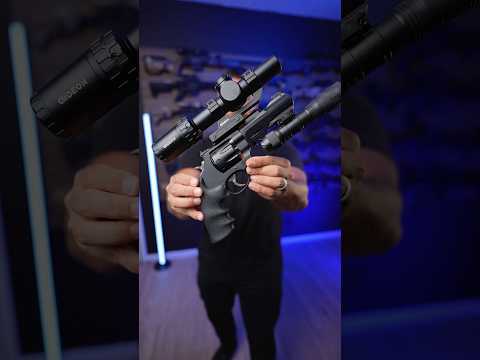
The Reason For LPVO's And Their FULL Use LIKE NO OTHER YOUTUBE VIDEO With Student Testimonials!

Published on May 25, 2025
Duration: 26:25

This video emphasizes that the effectiveness of an LPVO is heavily dependent on the shooter's skill and proper setup, not just the optic itself. It details how to optimize the eyebox by setting the optic for maximum magnification and discusses how mount height and stock length of pull should be adjusted based on whether the focus is close-quarters, long-range, or a balance of both. The instructor highlights the importance of understanding ballistics, atmospherics, and managing magnification and 'dope' (data on previous engagements) to fully utilize an LPVO's dual-discipline capabilities.

Quick Summary

LPVOs are dual-discipline optics effective for both close-quarters and long-range shooting. Key setup factors include optimizing the eyebox at maximum magnification and adjusting mount height based on intended use. Prioritize FFP reticles with mil subtensions for accurate holds across all magnification levels.

Chapters

  1. 00:00Introduction to LPVOs
  2. 01:15The Dual Discipline Challenge
  3. 03:07Managing Magnification and Dope
  4. 04:23Benefits of LPVOs
  5. 05:04Importance of Spotting Skill
  6. 06:01Key LPVO Features: Clarity, Reticle, Brightness, Size
  7. 07:53First vs. Second Focal Plane
  8. 08:49Common Shooter Limitations
  9. 10:10Red Dot Placement: 12:00 vs. 45°
  10. 11:30Determining LPVO Mount Height
  11. 13:16LPVO Course Structure: Long Range First
  12. 14:01Training Both Close and Long Range
  13. 15:09LPVO Reticle Design Drawbacks
  14. 16:07Optimizing the LPVO Eyebox
  15. 17:51Stock Length of Pull Adjustment
  16. 19:55Shooter Skill Compensating for Optic Shortcomings
  17. 20:05Ideal LPVO Barrel Length
  18. 21:46Why Take an LPVO Class?
  19. 23:14LPVOs: Essential for Battlefield Awareness
  20. 23:51Choosing LPVOs: Budget vs. Premium
  21. 24:29Recommendations: MRAD, FFP, No BDC
  22. 25:00Shooters Club and Learning Opportunities

Frequently Asked Questions

What makes an LPVO a 'dual discipline' optic?

An LPVO (Low Power Variable Optic) is considered a dual discipline optic because it can be effectively used for both close-quarters engagements at low magnification (often 1x) and for engaging targets at longer distances by increasing magnification (up to 8x, 10x, or 12x).

How should I set up my LPVO's eyebox for optimal performance?

To optimize your LPVO's eyebox, set the optic's magnification to its highest setting and adjust its position in the rings until you achieve a full and clear sight picture. This ensures a consistent eyebox across all lower magnifications.

What are the key features to consider when choosing an LPVO?

When choosing an LPVO, prioritize glass clarity, reticle design (preferably FFP with mil subtensions), illuminated reticle brightness (daylight bright), tube size, and ocular lens size for light gathering and ease of use.

Should I use a First Focal Plane (FFP) or Second Focal Plane (SFP) LPVO?

The instructor strongly recommends First Focal Plane (FFP) LPVOs because the reticle subtensions remain accurate at all magnification levels, which is crucial for making precise holds. Second Focal Plane (SFP) is generally only recommended for very close-range applications.

Related News

All News →

More Training & Techniques Videos You Might Like

More from Weapon Snatcher

View all →