Touch Sensation when Training with your Gun: First Person Defender| S5 Bonus

Published on April 25, 2018
Duration: 1:36

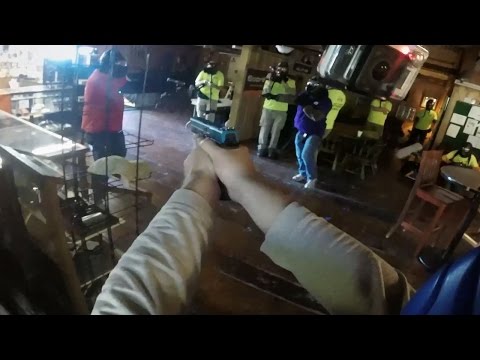
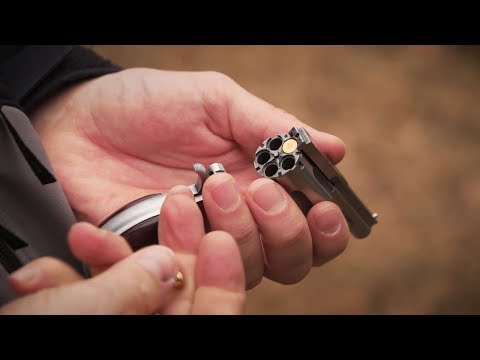
This video emphasizes the critical role of kinesthetic awareness and touch sensation in firearms training. It draws parallels to everyday activities like using a fishing reel or car power windows to illustrate how familiar physical feedback improves performance. Developing a feel for the firearm's grip and presentation allows for reduced focus on sights and a more natural trigger press, highlighting the importance of tactile familiarity in effective shooting.

Quick Summary

Kinesthetic awareness, or touch sensation, is vital in firearms training. It's the tactile feedback from the firearm's grip and presentation that influences your ability to focus on sights and trigger control. A familiar feel allows for less conscious effort, leading to improved shooting performance.

Chapters

  1. 00:00Introduction to Kinesthetic Awareness
  2. 00:09Fishing Reel Analogy
  3. 00:26Defining Kinesthetic Awareness
  4. 00:34Firearms and Touch Sensation
  5. 00:47Grip and Presentation Impact
  6. 01:05Everyday Examples of Kinesthetic Awareness
  7. 01:13Car Power Window Analogy
  8. 01:29Conclusion: Don't Neglect Touch Sensation

Frequently Asked Questions

What is kinesthetic awareness in firearms training?

Kinesthetic awareness in firearms training refers to the sense of touch and proprioception that allows a shooter to understand the position and movement of their body and the firearm without relying solely on sight. It's the 'feel' of the gun in your hand and how it moves during presentation and firing.

How does touch sensation affect firearm performance?

Touch sensation, or kinesthetic awareness, directly impacts firearm performance by influencing grip familiarity, presentation smoothness, and trigger control. A comfortable and familiar feel allows for less conscious effort on sights and trigger, leading to more accurate shots.

Why is a proper grip important for shooting accuracy?

A proper grip is crucial because it provides a stable platform for the firearm, allowing for consistent presentation and a more controlled trigger press. When the grip feels right, a shooter can reduce their reliance on visual cues and focus more on the mechanics of the shot.

Can everyday activities help improve firearms kinesthetic awareness?

Yes, everyday activities that require fine motor skills and tactile feedback, like using a fishing reel or car power windows, help develop kinesthetic awareness. Practicing these familiar physical sensations can translate to better feel and control when handling a firearm.

More Training & Techniques Videos You Might Like

More from Gun Talk Media

View all →