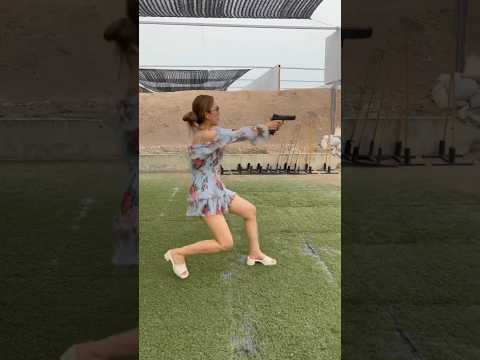
เทคนิคการเล็งในระยะต่างๆ

Published on April 22, 2018
Duration: 4:06

Naaming Kotchanok, demonstrating high expertise, explains two key firearm zeroing techniques for .22 caliber rifles: near zeroing (20m/50m) and peak zeroing (30m). She details the bullet's trajectory relative to the line of sight for each method, providing practical aiming advice for various distances without scope adjustments. This instructional content is crucial for improving accuracy.

Quick Summary

Naaming Kotchanok explains two key firearm zeroing techniques for .22 caliber rifles: near zeroing (20m/50m) and peak zeroing (30m). She details the bullet's trajectory relative to the line of sight for each method, providing practical aiming advice for various distances without scope adjustments, crucial for improving accuracy.

Chapters

  1. 00:00Introduction to Zeroing Techniques
  2. 00:58Peak Zeroing Method Explained
  3. 01:15Detailed Analysis of 20m/50m Zero
  4. 02:42Detailed Analysis of 30m Peak Zero

Frequently Asked Questions

What are the two main firearm zeroing methods discussed for .22 caliber rifles?

The video explains two primary zeroing methods: near zeroing, which establishes two intersection points (like 20m and 50m), and peak zeroing, where the scope is zeroed at the bullet's highest trajectory point, typically around 30m for .22LR.

How does bullet trajectory differ between a 20m/50m zero and a 30m peak zero?

With a 20m/50m zero, the bullet follows a 'low-high-low' path. A 30m peak zero means the bullet's highest point aligns with the line of sight at 30m, generally requiring a slight high aim for other distances.

What is the significance of the 30m peak zero for a .22 caliber rifle?

The 30m peak zero is significant because it represents the highest point of the bullet's trajectory for many .22 caliber setups. This simplifies aiming as the bullet is predictable relative to the line of sight around this distance.

What aiming adjustments are needed for a 20m/50m zero?

For a 20m/50m zero, you generally aim low for targets between 20m and 50m because the bullet is above the line of sight. Beyond 50m, you'll typically aim slightly high as the bullet drops back down.

Related News

All News →

More Training & Techniques Videos You Might Like

More from Naaming Kotchanok

View all →