Wind Reading Practice For Long Range Shooting

Published on May 23, 2018
Duration: 5:28

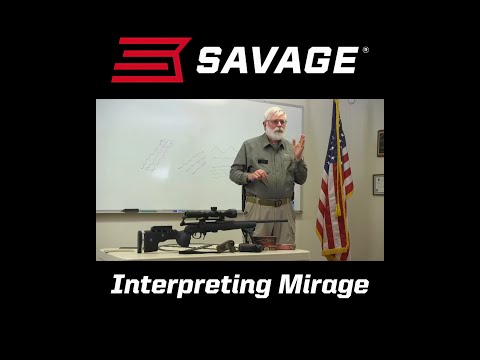
This video provides practical instruction on reading wind conditions for long-range rifle shooting. The instructor demonstrates how to interpret mirage patterns and grass movement to estimate wind speed and direction, offering a method for bracketing wind calls. The techniques discussed are applicable to various distances, including 200, 300, 400, and 500 yards.

Quick Summary

To estimate wind speed for long-range shooting, observe mirage and grass movement. Angled mirage (around 45 degrees) suggests about 7 mph, while grass laying over indicates wind direction. Bracketing wind estimates (e.g., 5-10 mph) helps in making effective wind holds, like favoring the left edge for a left-to-right wind.

Chapters

  1. 00:03Introduction to Wind Evaluation
  2. 00:10Observing Mirage with Binoculars
  3. 00:27Basics of Wind Determination Chart
  4. 00:43Wind Speed Estimates: Occasional vs. Constant
  5. 01:07Identifying Wind Direction via Grass Movement
  6. 01:47Constant Wind and Grass Laying Down
  7. 02:18Importance of Mirage for Wind Call
  8. 02:43Mirage Angling at 45 Degrees
  9. 02:57Bracketing Wind for Shot Hold
  10. 03:31Executing a Wind Hold Shot
  11. 03:41Impact Observation and Wind Call Confirmation
  12. 04:00Shooting at 400 and 500 Yards
  13. 04:37Hits on Extended Range Targets
  14. 04:45Conclusion and Further Learning

Frequently Asked Questions

How can I estimate wind speed for long-range shooting?

You can estimate wind speed by observing mirage patterns and grass movement. Straight mirage indicates little wind, while angled mirage suggests higher speeds. Grass laying over in a direction confirms wind direction and can help gauge its strength, with significant laying over indicating a stronger, constant wind.

What is the significance of mirage in wind reading?

Mirage is crucial for reading wind. Straight-up-and-down mirage indicates minimal wind. Mirage that angles up to about 45 degrees from left to right suggests a wind speed of approximately 7 miles per hour, providing a key indicator for your wind call.

How do I determine wind direction on the range?

Wind direction can be determined by observing how vegetation, like grass, moves. If you see grass beyond your targets consistently laying over in a specific direction, that indicates the wind's path. This visual cue is vital for making accurate wind adjustments.

What is a 'bracketing' wind call?

Bracketing a wind call means estimating a range for the wind speed, such as a minimum of 5 mph and a maximum of 9-10 mph. Based on this range, you can then make a hold (e.g., favoring the left edge) that accounts for the potential wind variation and increases your probability of a hit.

Related News

All News →

More Training & Techniques Videos You Might Like

More from Precision Rifle Network

View all →