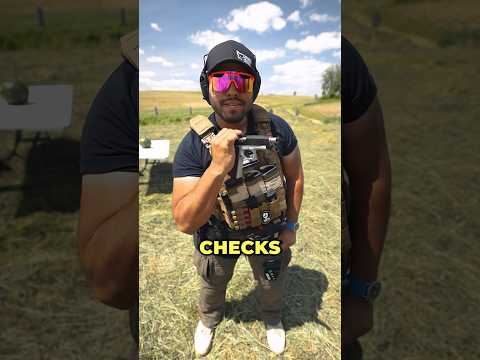
Your Gun Jammed Up - Now What?

Published on July 4, 2023
Duration: 0:31

This video demonstrates how to clear common firearm malfunctions, specifically stovepipe and complex jams, using the 'Tap, Rack, Reassess' method and more advanced clearing techniques. Johnny Q, a law enforcement officer, emphasizes immediate action for severe jams by dropping the magazine, cycling the action, and re-chambering a round. The content is highly practical for self-defense scenarios.

Quick Summary

To clear a basic gun jam like a stovepipe, use the 'Tap, Rack, Reassess' method: tap the magazine, rack the slide to eject the faulty round, and reassess the threat. For complex jams, drop the magazine, cycle the slide multiple times, insert a fresh magazine, and cycle again.

Chapters

  1. 00:00Introduction: Gun Jams in Shootouts
  2. 00:07Clearing Stovepipe Jams: Tap, Rack, Reassess
  3. 00:16Clearing Complex Jams: Advanced Procedure

Frequently Asked Questions

What is the standard drill for clearing a basic gun jam like a stovepipe?

The standard drill for clearing a basic gun jam, such as a stovepipe, is called 'Tap, Rack, Reassess'. This involves tapping the magazine to ensure it's seated, racking the slide to clear the obstruction, and then reassessing the threat.

How do you clear a more severe or complex firearm jam?

For complex jams, immediately drop the magazine. Then, rack the slide multiple times to ensure the chamber is clear. Insert a fresh magazine, rack the slide again to chamber a round, and then reassess the situation.

Why is reassessing the threat important after clearing a gun jam?

Reassessing the threat is crucial after clearing a malfunction because the danger may still be present. It ensures you are ready to re-engage if necessary and confirms the firearm is operational before returning to a defensive posture.

What firearm is demonstrated in the video for clearing jams?

The video demonstrates malfunction clearing techniques on a Staccato P handgun, a popular 2011-style pistol known for its performance and use in self-defense and law enforcement contexts.

More Training & Techniques Videos You Might Like

More from Johnny Q

View all →