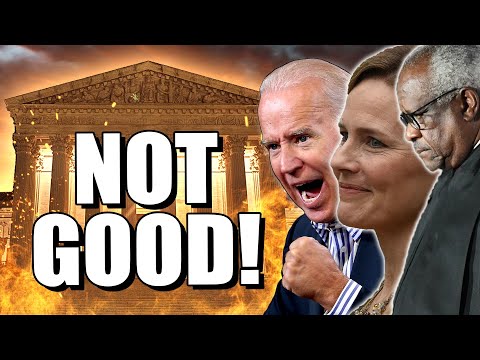
BREAKING!!! Supreme Court 8-1 Gun Possession Decision Changes Second Amendment Landscape Forever!

Published on February 7, 2025
Duration: 9:46

The Supreme Court's 8-1 decision in Range v. Garland, following the Rahimi case, has significantly altered the Second Amendment landscape. The Third Circuit ruled that federal law 18 U.S.C. § 922(g)(1) is unconstitutional as applied to individuals with non-violent misdemeanor convictions, like Brian Range's food stamp fraud. This decision challenges the government's ability to permanently disarm citizens based on such offenses, emphasizing that 'felons are not among the people' protected by the Second Amendment is an approach the court rejects.

Quick Summary

The Third Circuit ruled in Range v. Garland that federal law 18 U.S.C. § 922(g)(1) is unconstitutional as applied to individuals with non-violent misdemeanor convictions. This decision challenges the government's ability to permanently disarm citizens based on such offenses, emphasizing that the historical justification for firearm bans must be proven.

Chapters

  1. 00:00Federal Law Ruled Unconstitutional
  2. 00:25Sponsor Shoutout: First Form
  3. 00:43Discussing a Second Amendment Case
  4. 00:52Discussing Range v. Garland
  5. 01:11Comparing to United States v. Rahimi
  6. 01:26Supreme Court Sends Case Back
  7. 01:37Third Circuit Rules on Mr. Range
  8. 02:04Range Case Backstory
  9. 02:12Brian Range's Conviction
  10. 02:27Mr. Range is Now Barred
  11. 02:39Range's Lawsuit Against the ATF
  12. 03:00Federal Government Wins a Motion
  13. 03:11The Two-Step Approach
  14. 03:19Range Appeals to Third Circuit
  15. 03:50Seeks En Banc Panel Review
  16. 04:20Supreme Court Reversal Sought
  17. 04:41Third Circuit Prediction
  18. 04:55Third Circuit Says People Remains
  19. 05:03Government Cannot Burden People
  20. 05:15The Government Devolved Authority
  21. 06:02The Third Court Asks Easy Question
  22. 06:27Second Amendment is Indicated
  23. 06:45Rahimi Case Does Not Justify
  24. 07:25Federal Government Had Until March
  25. 07:33Now Trump Administration
  26. 08:08Not Seek Review Would Open Third Circuit

Frequently Asked Questions

What was the Supreme Court's decision in Range v. Garland?

The Supreme Court did not issue a direct decision in Range v. Garland but GVR'd (Granted, Vacated, and Remanded) the case to the Third Circuit after the Rahimi decision. The Third Circuit subsequently ruled that federal law 18 U.S.C. § 922(g)(1) is unconstitutional as applied to individuals with non-violent misdemeanor convictions.

How does Range v. Garland affect federal gun possession laws?

Range v. Garland, as interpreted by the Third Circuit, challenges the permanent firearm bans for individuals with non-violent misdemeanor offenses. It suggests that the government must provide historical justification for such bans and cannot simply exclude categories of people from Second Amendment protections.

What is the significance of the 'people' in the Second Amendment according to the Third Circuit in Range v. Garland?

The Third Circuit stated that 'felons are not among the people' protected by the Second Amendment is an approach they reject. They argue that such claims devolve authority to legislators to decide who is excluded, which contravenes Heller's reasoning that constitutional rights remove certain policy choices from legislative discretion.

What was Brian Range's conviction that led to his firearm ban?

Brian Range was convicted 26 years prior to the case for concealing income to obtain additional food stamps for his family. This misdemeanor offense, involving a false statement on a federal form, resulted in him being permanently barred from possessing firearms under federal law.

Related News

All News →

More 2nd Amendment & Law Videos You Might Like

More from Armed Scholar

View all →