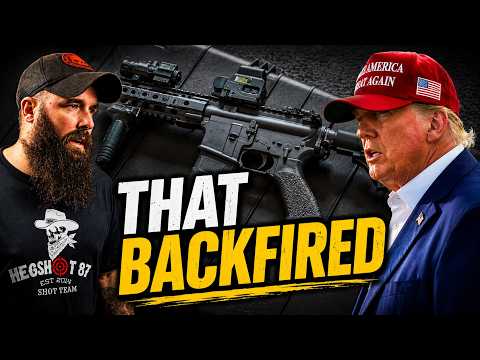
Breaking: Unanimous Pro 2nd Amendment Supreme Court Decision ๐Ÿ‡บ๐Ÿ‡ธ

Published on June 18, 2026
Duration: 5:41

This video discusses the Supreme Court's unanimous decision in United States v. Harrison, which addresses whether marijuana use disqualifies individuals from firearm ownership. The ruling clarifies that past or occasional marijuana use does not automatically make someone a prohibited person under federal law, aligning with the Second Amendment's historical context. The decision emphasizes that the government must prove current, habitual impairment to restrict firearm rights.

Quick Summary

The Supreme Court's unanimous decision in United States v. Harrison clarifies that past or occasional marijuana use does not automatically make an individual a prohibited person from owning firearms. The ruling, applying the Bruin test, emphasizes that the government must prove current, habitual impairment to restrict Second Amendment rights, aligning with historical firearm regulation traditions.

Chapters

  1. 00:00Introduction and Special Guest
  2. 00:24Breaking News: US v. Harrison Case
  3. 00:41The Marijuana and Firearm Question
  4. 00:53Defining Prohibited Persons Under Federal Law
  5. 01:02The Heller and Bruin Tests Explained
  6. 01:25Historical Context of Drug Laws and Firearms
  7. 01:50Practical Effects of the Supreme Court Decision
  8. 02:10Gray Areas and Future Implications
  9. 02:35Impact on Prescribed Medications
  10. 02:52Conclusion and 2A Outlook

Frequently Asked Questions

What was the Supreme Court's decision in United States v. Harrison regarding marijuana and firearm ownership?

The Supreme Court unanimously ruled that past or occasional marijuana use does not automatically disqualify individuals from owning firearms. The decision emphasizes that the government must prove current, habitual impairment to restrict Second Amendment rights, aligning with historical interpretations of firearm regulations.

How does the Bruin test apply to the United States v. Harrison Supreme Court case?

The Bruin test, which requires firearm regulations to be consistent with the historical tradition of firearm regulation in the U.S., was central to the Harrison decision. The Court found that historical laws against public intoxication were not analogous to banning individuals for past marijuana use, thus not aligning with the Second Amendment's historical context.

Can someone who uses marijuana occasionally still legally purchase a firearm after the US v. Harrison ruling?

Yes, according to the Supreme Court's decision in US v. Harrison, occasional marijuana use is not sufficient grounds to be classified as a prohibited person for firearm ownership. The government would need to demonstrate habitual use leading to current impairment to deny firearm rights.

What is the significance of the 9-0 vote in the United States v. Harrison Supreme Court case?

A unanimous 9-0 decision in a Second Amendment case is highly significant, indicating strong consensus among the justices. This broad agreement lends considerable weight to the ruling and suggests it will be a robust legal precedent, potentially reducing pushback and broadening its impact on firearm rights.

Related News

All News โ†’

More 2nd Amendment & Law Videos You Might Like

More from Mrgunsngear Channel

View all โ†’