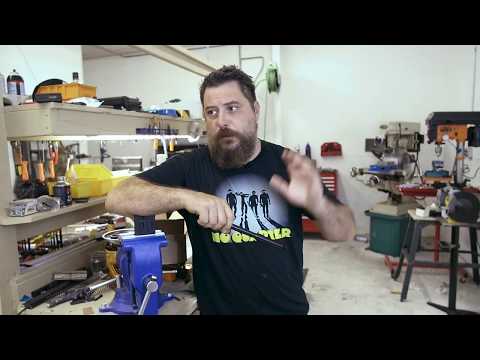
Ep: 1776-0016- with Cody Wisniewski

Published on July 4, 2024
Duration: 70:06

This episode of the Sons of Liberty podcast features Cody Wisniewski, President of FPC Action Foundation, discussing recent legal victories and ongoing battles concerning Second Amendment rights. Key topics include the vacating of the ATF's pistol brace rule under the Administrative Procedure Act, the Supreme Court's decision in the Rahimi case regarding domestic violence and firearm possession, and the legal implications of the Hunter Biden conviction related to firearm purchase forms. The discussion also delves into the broader issues of federal regulatory overreach, the impact of the Chevron deference doctrine, and the challenges faced by firearm manufacturers and owners due to complex and often weaponized regulations.

Quick Summary

The ATF's pistol brace rule has been vacated by a District Court judge, who ruled it violated the Administrative Procedure Act by not being a logical outgrowth of the proposed rule. This decision, along with the Supreme Court's narrow ruling in the Rahimi case and concerns over the Hunter Biden conviction's implications for gun owners, highlights ongoing legal battles over Second Amendment rights and federal regulatory overreach.

Chapters

  1. 00:00Podcast Intro & Guest Introduction
  2. 02:00Pistol Brace Rule Victory (Mock v. Garland)
  3. 03:00Explaining the APA Challenge
  4. 06:00Impact of Pistol Brace Rule on Gun Owners
  5. 08:36Is It "Game On" for Pistol Braces?
  6. 10:45ATF's Options After Rule Vacated
  7. 11:35Chevron Deference and its Impact
  8. 13:12Future of ATF Rulemaking
  9. 15:27The Rahimi Case Overview
  10. 18:35Supreme Court's Second Amendment Test
  11. 20:24Historical Context of Gun Control Laws
  12. 21:00Limitations of the Rahimi Opinion
  13. 23:58Justice Thomas's Dissent in Rahimi
  14. 25:55Hunter Biden Conviction & Gun Rights
  15. 27:51Prosecution of Habitual Drug Users
  16. 30:54Challenging the 4473 Question
  17. 32:32Texas Intoxication Laws & Firearms
  18. 35:38Medicinal Marijuana & Firearm Ownership
  19. 39:04Constitutional Basis for Firearm Bans
  20. 40:10Hunter Biden Case as a Sacrificial Pawn
  21. 41:38The Slippery Slope of Regulation
  22. 42:19Supreme Court & Temporary Firearm Seizures
  23. 43:06Specificity vs. Vagueness in Laws
  24. 44:02Federal Regulations & Bureaucracy
  25. 47:33The End of Chevron Deference
  26. 50:14Gridlock in Congress vs. Agency Power
  27. 52:39Activists in Regulatory Positions
  28. 54:09Weaponization of the Endangered Species Act
  29. 56:34Chevron and Climate Change Debate
  30. 57:34Trump's Deregulation Efforts
  31. 58:41Chevron's Threat to Progressivism
  32. 61:18Call to Support FPC
  33. 62:38Frame and Receiver Rule at Supreme Court
  34. 66:08Relief for Devastated Companies
  35. 67:18Government Immunity and Damages
  36. 69:00Podcast Outro

Frequently Asked Questions

What was the outcome of the ATF's pistol brace rule challenge?

The ATF's pistol brace rule was vacated in its entirety by a District Court judge. The ruling found that the rule was not a logical outgrowth of the proposed rule, violating the Administrative Procedure Act (APA), and therefore could not be sustained.

What is the significance of the Supreme Court's decision in the Rahimi case?

The Supreme Court's 8-1 decision in Rahimi affirmed the 'text as informed by history' test for Second Amendment cases, a framework agreed upon by all justices. The ruling is narrowly tailored to individuals found to be a credible threat, prohibiting them from possessing firearms temporarily.

How does the Hunter Biden conviction relate to gun rights?

The prosecution of Hunter Biden for lying on a Form 4473 about drug use when purchasing a firearm raises concerns about a potential new avenue for prosecuting gun owners. Many individuals may inadvertently provide inaccurate information, and this case highlights the strict enforcement of such laws.

What is the impact of the Loper Bright Enterprises v. Raimondo decision on federal agencies?

The Supreme Court's decision in Loper Bright Enterprises v. Raimondo effectively ended Chevron deference, meaning federal agencies can no longer automatically win legal challenges by claiming their interpretation of an ambiguous statute is valid. Agencies must now defend their rules on their merits.

What is the FPC Action Foundation's role in protecting Second Amendment rights?

The FPC Action Foundation, led by Cody Wisniewski, actively pursues legal challenges against regulations and laws that infringe upon Second Amendment rights. They advocate for maximal human liberty through litigation, focusing on cases like the pistol brace rule and the Rahimi case.

Related News

All News →

More 2nd Amendment & Law Videos You Might Like

More from Sons of Liberty Gun Works

View all →