50 BMG IN LIQUID NITROGEN

Published on December 10, 2016
Duration: 6:44

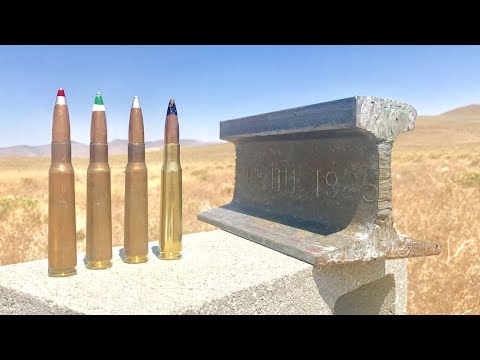
This video details an experimental approach to testing the effects of extreme cold on .50 BMG ammunition ignition, led by Edwin Sarkissian. The experiment involves using a BB gun to strike a .50 BMG round, with a second round submerged in liquid nitrogen. The analysis covers the ignition process, results, and the impact of the extreme cold on the ammunition's performance, highlighting safety precautions and technical observations.

Quick Summary

Edwin Sarkissian conducted an experiment testing .50 BMG rounds in liquid nitrogen to observe extreme cold's effect on ignition. Using a BB gun to strike a frozen .50 BMG primer, the test revealed altered ignition patterns, with gunpowder burning slowly and the BB gun barrel melting from the heat, highlighting the extreme energy involved and the need for safety precautions.

Chapters

  1. 00:00Introduction and Materials
  2. 01:08Experimental Setup
  3. 02:23Liquid Nitrogen Submersion
  4. 03:53The Shot and Results
  5. 05:19Post-Experiment Analysis

Frequently Asked Questions

What was the primary goal of the experiment involving .50 BMG rounds and liquid nitrogen?

The experiment aimed to test the effects of extreme cold, achieved by submerging a .50 BMG round in liquid nitrogen, on ammunition ignition and performance. The goal was to see if the extreme cold would prevent or alter the firing sequence of the .50 BMG round.

How was the .50 BMG round ignited in the experiment?

A Crosman American Classic air pistol was used to fire a BB at the primer of a .50 BMG round. This initial ignition was intended to set off a second .50 BMG round that had been submerged in liquid nitrogen.

What safety precautions were taken during the .50 BMG liquid nitrogen experiment?

The experimenter, Edwin Sarkissian, utilized safety barriers during the firing sequence. He also demonstrated knowledge of ammunition components and ballistics, suggesting an awareness of the inherent risks involved in such tests.

What were the key results of submerging a .50 BMG round in liquid nitrogen?

While the first .50 BMG round ignited, the second, frozen round did not fire conventionally. Instead, the gunpowder in the first casing burned out slowly, and the BB gun's barrel showed signs of melting from the heat generated.

More General Videos You Might Like

More from Edwin Sarkissian

View all →