Live Q&A - March 10, 2021

Published on March 11, 2021
Duration: 62:17

This Q&A session from Small Arms Solutions delves into the critical topic of gas port sizing on AR-15 and AR-10 platforms. The instructor explains how gas port diameter directly impacts the weapon's cycle of operation, leading to issues like short-stroking with insufficient gas or excessive wear and component damage with too much gas. The discussion also covers how ammunition type and gas port erosion can affect cycling, and the importance of proper gas block installation.


Quick Summary

The gas port size on an AR-15 is critical for proper cycling. Too little gas causes short-stroking, while too much leads to excessive wear. Gas port erosion over time can also increase gas flow, potentially causing over-gassing. Ammunition type and proper gas block installation are key factors in maintaining reliable operation.

Chapters

  1. 05:13Understanding Gas Port Size Diameters
  2. 05:49Effects of Too Little or Too Much Gas
  3. 06:04Gas Port Erosion and Its Impact
  4. 06:18Factors Affecting Gas System Performance
  5. 06:45Manufacturer Practices for Ammunition Compatibility
  6. 07:01Gas Block Installation: Pinned vs. Set Screw
  7. 07:23Gas Systems on External Piston Firearms
  8. 07:39Adjustable Gas Valves Explained
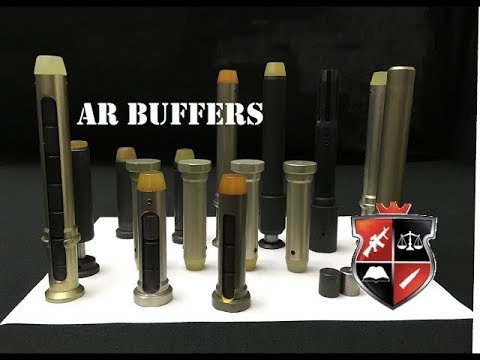
  9. 11:41Buffer Recommendation for 10.5" AR-15
  10. 12:44Causes of Sudden Over-Gassing
  11. 13:34Gas Port Erosion vs. Hot Ammunition
  12. 14:15Black Rifle Book Updates & Raffle
  13. 19:15Glock Gen 2 Parts Compatibility
  14. 20:26Crime Series Book Idea
  15. 20:35Assistance for Black Rifle 3 Photography
  16. 21:43Colt's Individual Carbine Program
  17. 22:23Publishing Conversations for Black Rifle 3
  18. 23:01Securing Rights to Black Rifle 2
  19. 25:02DGI Gas System & Folding Stocks
  20. 26:20AR-15 Height Over Bore & Cheek Weld
  21. 28:06PWS Long Stroke Piston Rifle for Military
  22. 29:44Reviewing Paul Leitner's Rifles
  23. 32:00Testing the 'What Would Stoner Do' Rifle
  24. 33:03Features for a New Colt Pistol
  25. 34:11Recommended Multi-Tools for AR-15
  26. 35:08AR-15 Enhanced Bolt Carriers
  27. 36:03Stoner's Choice for M16/M4 Platforms
  28. 37:10Buffer Weight for LMT 10.5" Suppressed
  29. 37:34Bulgarian Dragonoff Rifle
  30. 37:57Colt 20" Upper with Carbine Buffer Tube
  31. 38:45KCPW PDW Piston System
  32. 39:13Prevalence of Enhanced Bolts
  33. 40:17Daniel Defense Mark 12 Barrel Compatibility
  34. 41:02Why Government Profile Barrels Get Hate
  35. 42:45Tavor and Bullpup Design Future
  36. 43:44Centurion Arms Discount Codes
  37. 44:27Ordering HK MR556A1 with 14.5" Barrel
  38. 45:47Most Reliable Rifle on the Market
  39. 48:27Ear Protection at the Range
  40. 50:33SCAR 20s Optics Mounting Issues
  41. 50:59HK417 (MR762A1) Opinion
  42. 53:22Red Dots on Pistols & Barrel Length
  43. 54:56AR-15A2 Supporter 2 SCR SPF 5502
  44. 55:22Centurion Arms Backup Status
  45. 56:57Smith & Wesson M&P Sport II vs. Others
  46. 59:26LWRC Extensively Tested?
  47. 61:29AR Bundle Raffle & Black Rifle 3 Support

Frequently Asked Questions

How does gas port size affect an AR-15's operation?

The gas port size on an AR-15 determines how much gas is bled into the system to cycle the action. Too small a port can lead to short-stroking and failures to eject, while too large a port can cause excessive recoil, component wear, and potential failures to extract.

What causes gas port erosion in AR-15s?

Gas port erosion occurs over time as rounds are fired through the rifle. The hot gases passing through the port can gradually wear away the metal, enlarging the port. This increased size allows more gas to enter the system, potentially leading to over-gassing issues.

Can ammunition type affect AR-15 gas system function?

Yes, ammunition type significantly impacts AR-15 gas system function. Ammunition with lower port pressure, like some imported brands, may not cycle an over-gassed rifle reliably. Conversely, hotter ammunition can exacerbate over-gassing issues in a rifle that is already tuned for higher pressures.

What is the best buffer weight for a 10.5-inch AR-15?

For a standard 10.5-inch AR-15 with a 5.56 caliber and a standard weight barrel, an 'H' buffer is generally recommended. If you encounter issues related to gas port size or are using specific ammunition, an H2 or H3 buffer might be considered.

Why are enhanced bolt carriers better for AR-15s?

Enhanced bolt carriers, such as those from LMT, offer improved reliability due to superior materials and manufacturing processes. These often feature stronger steel alloys and improved designs that resist wear and breakage, though they come at a higher cost.

More General Videos You Might Like

More from SmallArmsSolutions

View all →