1911 - Detailed Disassembly

Published on April 27, 2013
Duration: 11:14

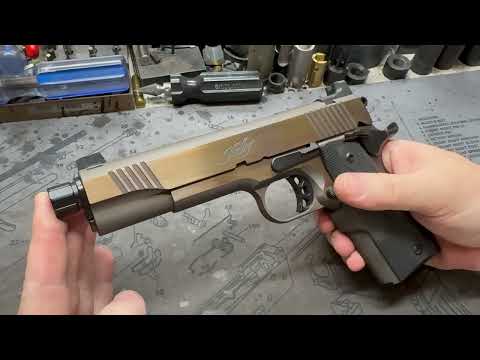
This comprehensive guide details the step-by-step disassembly of a Remington R1 1911 pistol, led by an instructor with high authority. It covers the removal of all major components, including the slide, barrel, and internal frame parts, while emphasizing the use of specialized tools and safety precautions. The instruction highlights the differences between Series 70 and Series 80 safety mechanisms.

Quick Summary

This expert guide details the disassembly of a Remington R1 1911 pistol. Essential tools include punches, screwdrivers, a magnetic bowl, and a bushing wrench. The process involves safely removing the slide, barrel, and internal frame components, with specific attention paid to the Series 80 firing pin safety mechanism.

Chapters

  1. 00:00Introduction and Tools
  2. 01:26Slide Disassembly
  3. 03:40Internal Slide Components
  4. 06:22Frame Disassembly: Grips and Mainspring
  5. 08:50Internal Frame Components

Frequently Asked Questions

What tools are essential for disassembling a 1911 pistol?

Essential tools include a brass/nylon hammer, small and brass punches, tweezers, grease, specific screwdrivers for grip and magazine catch screws, a magnetic bowl, and a barrel bushing wrench. A Q-tip is also useful for extractor removal.

How do you safely disassemble the slide of a 1911?

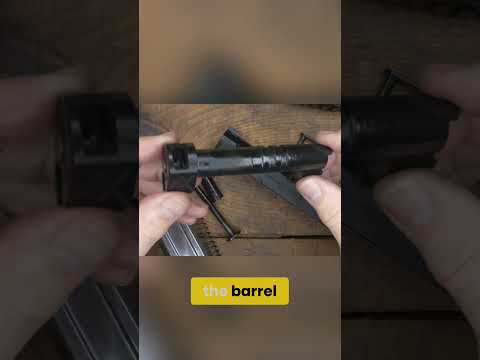
After removing the slide from the frame, you'll remove the recoil spring and guide rod. Then, use a bushing wrench to depress and rotate the barrel bushing, allowing it to be removed. Finally, the barrel can be taken out of the slide.

What is the Series 80 safety mechanism on a 1911?

The Series 80 safety is an internal mechanism that blocks the firing pin. To disassemble components related to it, you must depress a plunger, which releases the firing pin stop, allowing the firing pin and spring to be removed.

What are common mistakes to avoid during 1911 disassembly?

Common mistakes include losing small parts due to lack of organization (use a magnetic bowl), damaging components by using excessive force (especially on the thumb safety), and not performing a thorough safety check before starting.

Related News

All News →

More Gunsmithing & DIY Videos You Might Like

More from nsz85

View all →