AR-15 Maintenance: Field-strip, Clean and Lubricate an AR-15 | Gunsite Academy Firearms Training

This guide, presented by Gunsite Academy Instructor Cory Trapp, details the essential steps for field-stripping, cleaning, and lubricating an AR-15. It emphasizes critical inspection points like gas key staking and gas ring tension, offering practical advice on lubrication and spare parts. The guide concludes with a mandatory function check, highlighting that a well-lubricated AR-15 is key to reliability.

Quick Summary

Expert AR-15 maintenance involves field stripping, cleaning, and lubrication. Key steps include checking gas key staking and gas ring tension (via gravity test), applying heavy lube to bolt carrier friction rails, and performing a function check. Avoid oiling the trigger group; keep it dry. A well-lubricated rifle is more reliable than a perfectly clean one.

Chapters

  1. 00:00Field Stripping and Safety Precautions
  2. 01:35Fire Control System and Magazines
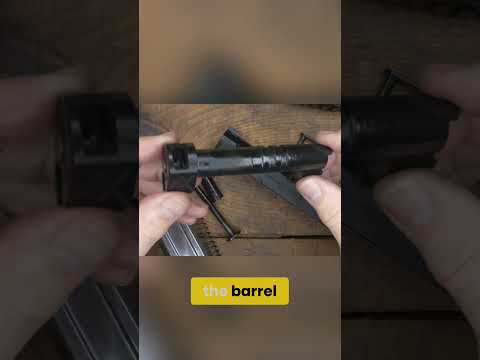
  3. 04:07Chamber and Barrel Specifications
  4. 07:09Bolt Assembly Maintenance and Inspection
  5. 11:16Gas Rings and Extractor Service
  6. 17:09Function Check and Cleaning Philosophy

Frequently Asked Questions

What are the critical inspection points for an AR-15 bolt carrier group?

Key inspection points include the gas key staking, ensuring the screws are properly secured to prevent wobbling and gas leaks. Additionally, the gas ring tension should be checked via the bolt carrier gravity test, typically needing replacement every 3,500-5,000 rounds.

How should an AR-15 bolt carrier group be lubricated?

Heavy/wet lubrication is specifically applied to the four friction rails on the bolt carrier. The rest of the carrier should remain relatively dry to avoid attracting excessive carbon fouling, which can impede function.

What is the difference between .223 Remington and 5.56 NATO chambers?

While .223 Remington can be safely fired in a 5.56 NATO chamber, firing 5.56 NATO in a .223 Remington chamber can cause dangerous pressure spikes due to differences in chamber dimensions and pressure tolerances.

What spare parts should be carried for an AR-15?

Essential spare parts for an AR-15 maintenance kit include extractor springs, pins, gas rings, and firing pin retainers. These components are prone to wear and can be replaced in the field if necessary.

Related News

All News →

More Gunsmithing & DIY Videos You Might Like

More from NSSF—The Firearm Industry Trade Association

View all →