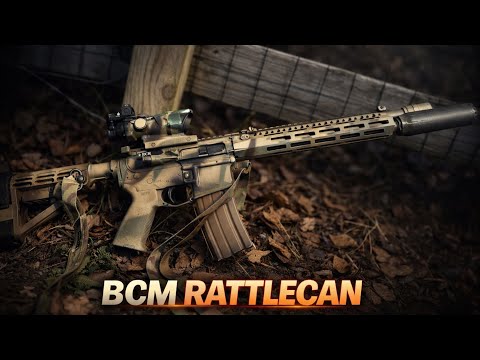
BCM 12.5 One Time Courtesy Review

Published on January 27, 2020
Duration: 9:21

This guide details troubleshooting an over-gassed AR-15 upper receiver, specifically the BCM 12.5. It covers identifying symptoms like aggressive ejection and component wear, and offers solutions through buffer system adjustments, including heavier buffers and stronger springs. The expert assessment highlights the importance of diagnosing and rectifying these issues for optimal firearm performance and longevity.

Quick Summary

The BCM 12.5 Upper receiver faced significant accuracy issues (4-8 MOA) and was found to be extremely over-gassed. Troubleshooting involved adjusting the buffer system with heavier buffers like the H3 and stronger springs such as the Geissele S42 to manage cycling and ejection. Quality control concerns, including component wear and fitment gaps, were also noted.

Chapters

  1. 00:50Initial Accuracy Issues
  2. 01:14BCM Warranty and Firing Schedule Critique
  3. 02:32Gas System and Ejection Troubleshooting
  4. 03:53Quality Control and Component Wear Analysis
  5. 06:33Final Assessment and Customer Service Experience

Frequently Asked Questions

What were the main accuracy issues with the BCM 12.5 Upper?

The BCM 12.5 Upper initially displayed poor accuracy, measuring between 4 and 8 MOA. This performance issue prompted a return to BCM for inspection and eventual barrel replacement.

How can an over-gassed AR-15 be diagnosed and fixed?

An over-gassed AR-15 can be diagnosed by symptoms like extreme forward ejection, excessive recoil, and rapid component wear. Fixes involve adjusting the buffer system with heavier buffers (e.g., H3) and stronger springs (e.g., Geissele S42).

What quality control concerns were noted on the BCM 12.5 Upper?

Quality control issues observed included a noticeable gap between the handguard and the upper receiver, and excessive wear on the bolt carrier group's cam pin and gas rings after a relatively low round count.

What is the recommended firing cadence for sustained fire on an AR-15?

The video critiques the military-recommended cadence of 12-15 rounds per minute for sustained fire as often unrealistic for modern training, suggesting it can lead to overheating and component stress if strictly followed.

Related News

All News →

More Gunsmithing & DIY Videos You Might Like

More from GunThots

View all →