How to Properly Clean and Lubricate an AR 15 (EASIEST METHOD)

Published on September 7, 2022
Duration: 20:08

This guide provides a comprehensive method for cleaning and lubricating an AR-15, emphasizing safety and lead exposure prevention. It details the disassembly process, focusing on thorough cleaning of the bolt carrier group, chamber, and barrel using specialized tools and recommended solvents. The video also offers tips for reassembly and improving trigger feel.

Quick Summary

To properly clean and lubricate an AR-15, start with safety: clear the chamber and ensure proper muzzle direction. Use nitrile gloves to prevent lead exposure. Disassemble the rifle, thoroughly clean the bolt carrier group with solvent and scraping tools, and clean the chamber and barrel using specialized tools like Otis Ripcord or bore snakes.

Chapters

  1. 00:00Intro & Safety First
  2. 01:37PPE & Lead Safety
  3. 03:25Recommended Cleaning Supplies
  4. 04:39Essential Cleaning Tools
  5. 06:27AR-15 Disassembly Guide
  6. 07:29Chamber & Barrel Cleaning
  7. 09:32Bolt Carrier Group (BCG) Maintenance
  8. 16:49Reassembly & Trigger Lube Tip

Frequently Asked Questions

What are the essential safety precautions before cleaning an AR-15?

Always ensure proper muzzle direction and physically verify that the chamber is clear of any ammunition before commencing cleaning. This prevents accidental discharge and ensures a safe working environment.

What cleaning supplies does the Tactical Toolbox host recommend for an AR-15?

The host recommends Shooter Lube for its non-toxic, odorless properties and Lucas Extreme Gun Oil for field use. Budget options like motor oil and Simple Green are also mentioned.

Which specialized tools are useful for AR-15 cleaning?

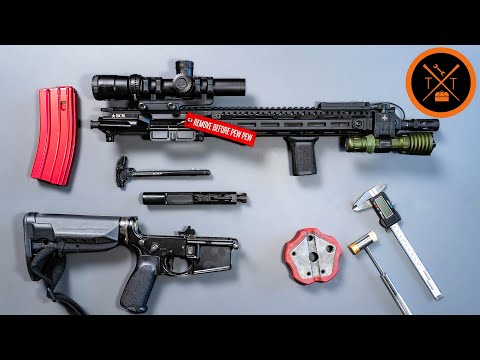
Tools like the Otis Ripcord, Real Avid Carbon Boss for carbon scraping, and vice blocks for securing receivers make the cleaning process more efficient and thorough, especially for the chamber area.

How should the Bolt Carrier Group (BCG) be cleaned?

The BCG should be completely broken down, including the firing pin, cam pin, and bolt. Each part should be soaked in solvent and then scraped clean of carbon residue for optimal function.

Related News

All News →

More Gunsmithing & DIY Videos You Might Like

More from Tactical Toolbox

View all →