How to Properly Clean and Lubricate an AR 15 (EASIEST METHOD)

Published on September 7, 2022
Duration: 20:08

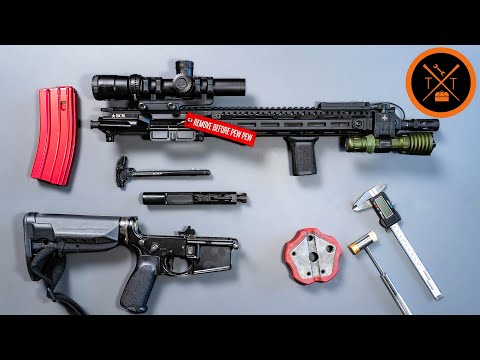
This comprehensive guide details the easiest method for cleaning and lubricating an AR-15, presented by an expert from Tactical Toolbox. It covers essential safety precautions, including the use of PPE to prevent lead exposure, and provides a step-by-step process for disassembly, thorough cleaning of all components (especially the BCG and chamber), and proper reassembly. The instruction emphasizes using specialized tools for efficiency and effectiveness, ensuring your AR-15 remains in optimal condition.

Quick Summary

The easiest method to clean and lubricate an AR-15 involves ensuring it's unloaded, using PPE like nitrile gloves, disassembling the firearm, thoroughly cleaning the barrel, chamber, and bolt carrier group with specialized tools and solvents, and then properly lubricating all components before reassembly.

Chapters

  1. 00:00Intro & Safety
  2. 01:37PPE & Lead Safety
  3. 03:25Cleaning Supplies
  4. 04:39Specialized Tools
  5. 06:27Disassembly
  6. 07:29Chamber & Barrel
  7. 09:32BCG Maintenance
  8. 16:49Reassembly & Trigger

Frequently Asked Questions

What are the essential safety steps before cleaning an AR-15?

Always ensure the AR-15 is completely unloaded and the chamber is clear. Maintain muzzle discipline throughout the cleaning process. Wearing nitrile gloves is also recommended to prevent lead exposure from firearm residue.

What are the recommended cleaning supplies for an AR-15?

The video suggests Shooter Lube for its non-toxic, odorless properties and Lucas Extreme Gun Oil for field use. Budget-friendly alternatives like motor oil and Simple Green are also mentioned.

Which specialized tools are recommended for AR-15 cleaning?

Key tools include the Otis Chamber Cleaning Tool for the barrel and chamber, the Real Avid Carbon Boss for carbon scraping, and Real Avid Vice Blocks for securing receivers during maintenance.

How often should an AR-15 be cleaned and lubricated?

While not explicitly stated as a frequency, the detailed process implies regular maintenance is necessary. It's generally recommended after every range trip or every 500 rounds, and especially after use in adverse conditions.

Related News

All News →

More Gunsmithing & DIY Videos You Might Like

More from Tactical Toolbox

View all →