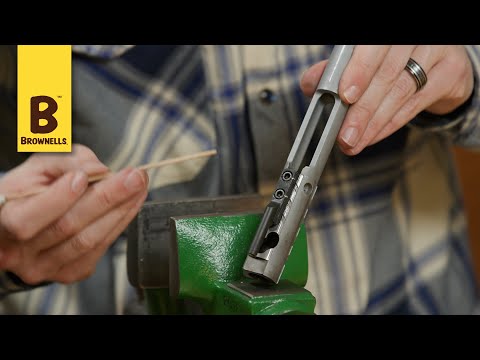
Installation - Miculek Rifle Compensator

Published on September 23, 2022
Duration: 3:30

This guide details the installation of the Miculek Rifle Compensator for 5.56/.223 caliber rifles. It emphasizes safety, proper thread preparation with anti-seize, correct orientation of the lock nut, and precise clocking of the compensator for optimal performance. The process concludes with securing the compensator using the lock nut and torquing it to 30 inch-pounds.

Quick Summary

The Miculek Rifle Compensator for 5.56/.223 caliber rifles has a 1/2 inch 28 thread pitch. For installation, apply anti-seize to the barrel threads, thread on the compensator, orient the lock nut's counter-bored side towards the chamber, clock the compensator (e.g., 1 o'clock for right-handed shooters), and torque the lock nut to 30 inch-pounds.

Chapters

  1. 00:16Compensator Introduction
  2. 00:31Safety and Preparation
  3. 00:46Removing Factory Muzzle Device
  4. 00:58Anti-Seize Compound Recommendation
  5. 01:21Compensator and Lock Nut Orientation
  6. 01:40Compensator Porting and Clocking
  7. 02:12Final Installation and Torque
  8. 03:11Other Caliber Availability

Frequently Asked Questions

What is the correct thread pitch for the Miculek Rifle Compensator for 5.56/.223 caliber rifles?

The Miculek Rifle Compensator for 5.56/.223 caliber rifles features a standard 1/2 inch 28 thread pitch, commonly found on modern sporting rifles.

How should the lock nut be oriented when installing the Miculek Rifle Compensator?

The lock nut included with the Miculek compensator has a counter-bored side. This side must face towards the rifle's chamber when you are threading the compensator onto the barrel.

What is the recommended torque specification for the Miculek Rifle Compensator's lock nut?

The lock nut should be torqued to the compensator, not the barrel shoulder, to approximately 30 inch-pounds. This ensures a secure fit without damaging the barrel.

Why is it important to use anti-seize compound when installing a rifle compensator?

Using anti-seize compound on the barrel threads prevents the compensator from seizing due to the high heat and harsh conditions of firing. This makes future removal much easier.

Related News

All News →

More Gunsmithing & DIY Videos You Might Like

More from Lena Miculek - Trigger Tribe

View all →