Installing Nickel Alloy Valve Seats

Published on February 10, 2021
Duration: 11:07

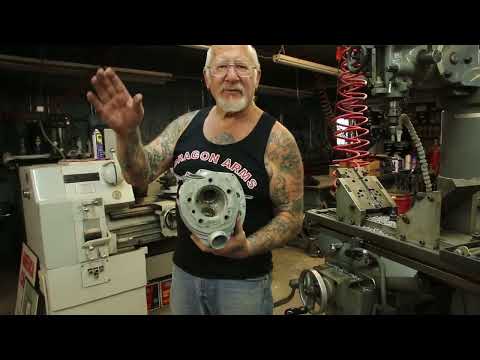
This video provides an advanced, step-by-step guide from Dragonman on installing nickel alloy valve seats in Panhead engine heads. It details the critical processes of preparing the head, installing new Amconite valve guides, precisely milling pockets for the seats, and then installing and machining the new nickel alloy seats. The instruction emphasizes the importance of precise measurements, specialized tooling, and techniques like freezing the seats for installation.


Quick Summary

Nickel alloy valve seats are recommended for modern engines running on unleaded gasoline due to their superior durability and resistance to wear. Freezing the seats before installation shrinks the metal, facilitating a tighter interference fit into precisely machined pockets, which are typically milled to be 3.5 to 4 thousandths of an inch smaller than the seat.

Chapters

  1. 00:00Introduction and Overview
  2. 00:17Cleaning and Valve Guide Removal
  3. 00:28Installing Amconite Valve Guides
  4. 01:01Honing Valve Guides
  5. 01:36Milling Valve Seat Pockets
  6. 02:06Jig Setup for Milling
  7. 02:34Using the 3/8 Pilot
  8. 03:02Milling Depth and Zeroing DRO
  9. 04:03Completing the Mill Cut
  10. 04:42Resulting Valve Seat Pocket
  11. 05:46Pocket Ready for Seat Installation
  12. 05:54Jig for Valve Seat Installation
  13. 06:18Starting Valve Seat Installation
  14. 07:00Driving the Valve Seat
  15. 07:26Post-Installation Machining
  16. 09:32Cutting Down Protruding Seat
  17. 10:04Honing to Final Height
  18. 10:44Setting Valve Seat Pressure
  19. 10:46Conclusion and Contact Info

Frequently Asked Questions

Why are nickel alloy valve seats recommended for modern engines?

Nickel alloy valve seats are recommended for modern engines, especially those running on unleaded gasoline, because they offer superior durability and resistance to wear compared to older steel seats. This is crucial as modern fuels contain less lubrication and more alcohol/methanol, which can accelerate wear on softer valve seat materials.

What is the purpose of freezing valve seats before installation?

Freezing valve seats before installation is a common gunsmithing and machining technique to shrink the metal. This thermal contraction makes the valve seat slightly smaller, allowing it to be more easily pressed or hammered into the precisely machined pocket in the engine head, ensuring a tight interference fit.

How is the correct interference fit for valve seats achieved?

The correct interference fit for valve seats is achieved through precise machining. The valve seat pocket is milled to a specific diameter, typically 3.5 to 4 thousandths of an inch smaller than the valve seat itself. The cutting tool, an end mill, is often selected or modified to be 3 to 4 thousandths smaller than the valve guide diameter to ensure this precise fit.

What is the role of the 3/8 pilot in valve seat installation?

The 3/8 pilot is a critical alignment tool used during valve seat installation and machining. It fits snugly into the 3/8 valve guide hole, ensuring that the cutting tool or the installation punch is perfectly centered and aligned with the valve guide, preventing misalignment and potential damage to the cylinder head.

More Gunsmithing & DIY Videos You Might Like

More from Dragonman's

View all →