Parkerizing Marathon Part 1

Published on July 28, 2010
Duration: 4:57

This video demonstrates a parkerizing marathon, focusing on refinishing firearm parts damaged by fire and water. The process involves blasting off old finishes and rust, followed by immersion in a manganese phosphate solution to create a durable, corrosion-resistant finish. Several firearms, including a Remington 1100, Winchester Model 70, and Winchester Model 94, are shown undergoing this treatment.


Quick Summary

Parkerizing firearm parts uses manganese phosphates to create a durable, corrosion-resistant finish. The process involves blasting off old finishes and rust, followed by immersing the parts in a prepared parkerizing solution. This method is effective for restoring damaged firearms and enhancing their longevity.

Chapters

  1. 00:00Introduction to Parkerizing Marathon
  2. 00:11Firearm Damage and Restoration
  3. 00:37Blasting Firearm Parts
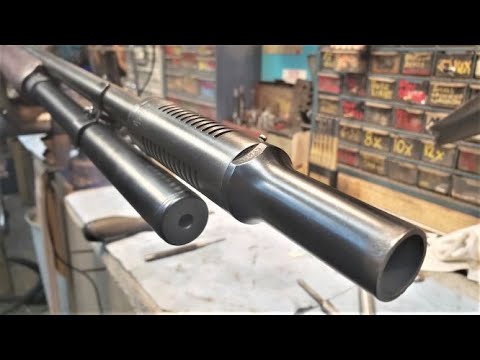
  4. 00:41Remington 1100 Parkerizing
  5. 01:12Ray's Homemade Blast Chamber
  6. 02:51Overview of Parkerized Firearms
  7. 03:11Winchester Model 70 and 94 Parts
  8. 03:21Remington 1100 Magazine Cylinder Issue
  9. 03:33Tactical Shotgun Build for William
  10. 03:48Other Parkerized Parts
  11. 04:09Lee Turret Press Parts
  12. 04:12Parkerizing Marathon Duration
  13. 04:26Future Parkerizing Videos

Frequently Asked Questions

What is the primary purpose of parkerizing firearm parts?

Parkerizing, specifically using manganese phosphates, is done to create a durable, corrosion-resistant finish on firearm parts. This process helps protect the metal from rust and wear, making it ideal for restoring damaged firearms or applying a robust finish to new builds.

What are the initial steps before parkerizing firearm components?

Before parkerizing, firearm parts must be thoroughly cleaned. This typically involves blasting off any existing finishes, rust, or contaminants using a blast chamber and appropriate media. After blasting, the parts are rinsed to remove all residue, ensuring a clean surface for the parkerizing solution.

What types of firearms are shown undergoing the parkerizing process in this video?

The video showcases the parkerizing of parts from several firearms, including a Remington 1100 shotgun, a Winchester Model 70 barreled action and bolt, and a Winchester Model 94. Other components like magazine extensions and trigger parts are also parkerized.

How long does a parkerizing session typically take?

According to the video, a comprehensive parkerizing session involving multiple firearms and parts, including setup and bringing the solution to temperature, can take approximately four to five hours. This timeframe allows for efficient processing of several items.

Related News

All News →

More Gunsmithing & DIY Videos You Might Like

More from Iraqveteran8888

View all →