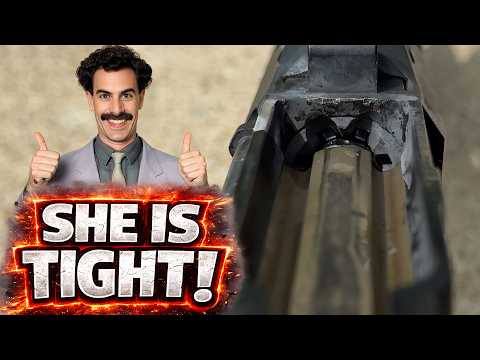
SOTAR Secret Shopper - Ruger AR556 - Part 2/4 - Bolt Carrier Groups

Published on January 15, 2025
Duration: 45:07

This video provides an in-depth, expert-level inspection of Ruger AR556 bolt carrier groups. It details checks for carrier key screw staking, gas ring seal, internal surface finish of the carrier and bolt tail, firing pin protrusion and binding, cam pin fit, extractor spring security, and bolt face dimensions. The analysis also covers carrier key alignment, bolt magnetism, and critical headspace checks using both 223 Wylde and 5.56 NATO GO gauges, highlighting numerous potential issues found in the tested components.


Quick Summary

Expert analysis of Ruger AR556 bolt carrier groups reveals significant issues including rough internal surfaces, firing pin binding, and improper ejector seating. Some bolts are not compatible with milspec firing pins, and two out of seven tested exhibited short headspace for 5.56 NATO, failing headspace gauges.

Chapters

  1. 00:01Introduction: Ruger AR556 Secret Shopper Series Part 2
  2. 00:14Bolt Carrier Group Overview & Initial Checks
  3. 00:23Carrier Key Screw Inspection (YFS Screws)
  4. 01:28Gas Ring Test Procedure
  5. 02:09Carrier Design Features (Retaining Pin Provision)
  6. 02:49Screw Torque Check
  7. 04:08Gas Leak Check
  8. 04:47Bolt Disassembly & Initial Bolt Tail Inspection
  9. 06:26Internal Carrier Inspection (Roughness, Gouges)
  10. 07:49Borescope Inspection of Bolt Carrier Interior
  11. 11:07Bolt Tail Gauging (NO-GO Test)
  12. 11:32Cam Pin Inspection
  13. 12:07Firing Pin Protrusion Measurement
  14. 13:02Firing Pin Movement & Binding Test
  15. 15:10Milspec Firing Pin Compatibility Test
  16. 16:33Bolt Spec Issues Summary
  17. 18:15Protrusion Check & Sticking Issues
  18. 19:16Contacting Ruger Regarding Issues
  19. 20:16Ejector Inspection (Beveling & Seating)
  20. 21:47Firing Pin Retaining Pin Check
  21. 22:01Cam Pin Assembly Slop Check
  22. 23:19Extractor Removal & Spring Inspection
  23. 24:59Bolt Face Gauge Test
  24. 25:44Carrier Key Gauging
  25. 26:19Extractor Gauge Test Revisited
  26. 27:26Three Board Test (Gas/Bolt Support/Bolt Tail Runs)
  27. 29:32Carrier Key Alignment Check
  28. 31:32Magnetism Test (Bolts)
  29. 35:05Blockage Check & Reassembly Prep
  30. 35:38Carrier Length & Bolt Support Shoulder Measurement
  31. 37:46Carrier Key Alignment Re-evaluation
  32. 38:13Headspace Check Preparation
  33. 38:31Headspace Check (5.56 NATO GO Gauge)
  34. 42:32Headspace Check (223 Wylde GO Gauge)
  35. 43:32Short Headspace Summary
  36. 44:29Conclusion & Next Steps (Contacting Ruger)

Frequently Asked Questions

What are common issues found in Ruger AR556 bolt carrier groups?

Common issues include rough internal surfaces on the bolt carrier and bolt tails, leading to chatter and potential damage. Firing pins may bind, and some bolts are not compatible with milspec firing pins. Additionally, ejectors can be improperly seated, and some bolts exhibit magnetism, which is problematic for steel-cased ammunition.

How is the staking of carrier key screws inspected?

The staking is inspected visually for coverage and depth. Screws with rounded heads, like YFS screws, may not stake well, potentially leading to loosening or shearing. Proper staking ensures the carrier key remains securely attached to the bolt carrier.

What are the implications of short headspace in a 5.56 NATO chamber?

Short headspace means the chamber is too tight for the 5.56 NATO cartridge. This can lead to extraction failures, especially as the firearm heats up and components wear, potentially causing malfunctions and requiring the bolt carrier group or upper receiver to be replaced.

Why is bolt magnetism a concern for AR-15 platforms?

Magnetic bolts can attract small metal particulates from ammunition, such as shavings from steel cases or projectiles. These particles can accumulate on the bolt, potentially causing feeding, extraction, or ignition failures, especially when using imported steel-cased ammunition.

What is the significance of firing pin protrusion and binding?

Firing pin protrusion is the distance the pin extends from the bolt face. If it's too short, ignition may be unreliable. If the firing pin binds or sticks within the bolt, it can prevent proper firing pin movement, leading to ignition failures or cycling issues.

More Gunsmithing & DIY Videos You Might Like

More from School of the American Rifle

View all →