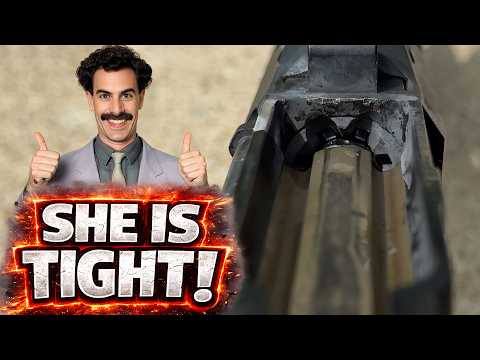
Toolcraft NiB BCG Physical

Published on March 27, 2020
Duration: 18:54

This guide details a comprehensive physical inspection and testing procedure for a Toolcraft Nickel Boron Bolt Carrier Group (BCG). It covers checking gas ring integrity, carrier bore measurements, gas key staking, borescope inspection of internal finishes, bolt component checks, firing pin protrusion, and headspace. The process highlights potential issues like excessive wear, uneven coating application, and critical dimensional tolerances that can affect firearm reliability.


Quick Summary

A comprehensive physical inspection of a Toolcraft NiB BCG revealed potential issues like heavy carrier scuffing, rough internal finishes, and slightly gas-inefficient gas rings. Critically, firing pin protrusion was found to be .006 inches too short, a condition that can lead to light strikes and reliability problems. Headspace passed, but the overall assessment noted areas for concern regarding component wear and dimensional accuracy.

Chapters

  1. 00:00Introduction & Setup
  2. 00:35Gas Ring Check
  3. 00:59Component Overview
  4. 01:21Carrier Scuffing Analysis
  5. 02:22Carrier Cleaning & Borescope Prep
  6. 03:32Carrier Key Torque Test
  7. 04:06Gas Ring Gauge Test
  8. 04:40Gas Path Check
  9. 04:50Carrier Bore Measurements
  10. 06:34Borescope Inspection
  11. 08:42Carrier Interior Assessment
  12. 09:16Bolt Inspection
  13. 09:26Firing Pin Inspection
  14. 10:04Bolt Fitment Check
  15. 10:18Extractor Inspection
  16. 10:33Extractor Groove Check
  17. 10:53Bolt Face & Ejector Check
  18. 11:04Ejector Spring Test
  19. 11:14Roll Pin Check
  20. 11:19Bolt Gas Rings Check
  21. 11:21Bolt Tail Check
  22. 11:28Magnetism Test
  23. 13:07Magnetism Demagnetization & Re-test
  24. 13:15Component Pass/Fail Summary
  25. 13:20Firing Pin Protrusion Test
  26. 13:37Headspace Test
  27. 16:47Bolt Support Shoulder Diameter Measurement
  28. 17:59Overall Assessment & Conclusion

Frequently Asked Questions

What are the key indicators of a worn or faulty AR-15 bolt carrier group?

Key indicators include heavy scuffing on the carrier, particularly from hammer contact, rough internal finishes that can cause wear, gas ring inefficiency, and insufficient firing pin protrusion which can lead to light strikes. Magnetic firing pins can also attract debris, especially with steel-cased ammunition.

How is firing pin protrusion tested on an AR-15 bolt?

Firing pin protrusion is tested using a specialized gauge. For .223/5.56, the ideal protrusion is typically between .028 and .038 inches. A measurement significantly shorter can cause light strikes and reliability issues.

What is the importance of checking headspace on an AR-15?

Headspace ensures the correct distance between the bolt face and the chamber's datum line. Proper headspace is critical for safe operation and reliable extraction. It's checked using go/no-go gauges; the bolt should not close on a 'no-go' gauge.

What does it mean if a bolt carrier group's gas rings are 'gas inefficient'?

Gas inefficiency in gas rings means they do not create a sufficiently tight seal within the bore. This can be identified when a gauge passes through the rings that should not, indicating potential gas leakage and reduced operational efficiency.

Can a rough finish on a bolt carrier group cause problems?

Yes, a rough internal finish on a bolt carrier group, especially in areas like the gas ring run or bolt tail, can cause increased friction and accelerated wear on components like gas rings and the bolt itself. It can also contribute to poor cycling reliability.

Related News

All News →

More Gunsmithing & DIY Videos You Might Like

More from School of the American Rifle

View all →