Watch Your Temper!

Published on June 1, 2023
Duration: 14:49

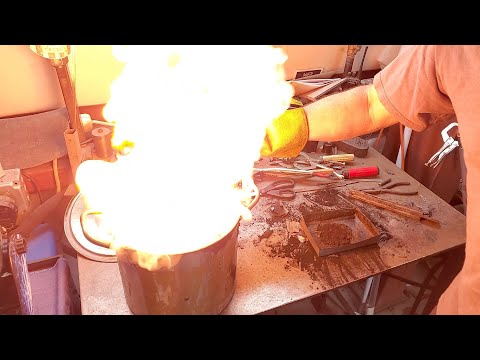
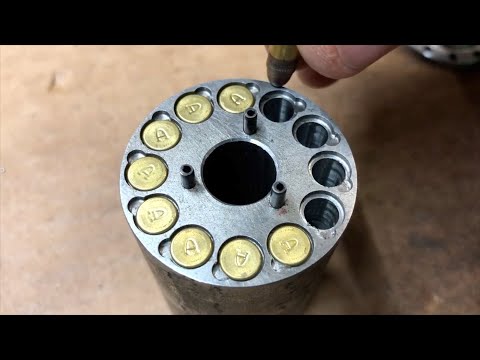
This video demonstrates the process of tempering heat-treated steel components, specifically BFG 50 bolts, to mitigate issues caused by excessive hardness. Mark Serbu explains how TIG welding heat-treatable alloy steel can harden the weld joint, making it difficult to machine and hard on tooling. By tempering these bolts at 1100 degrees Fahrenheit, the hardness is reduced, making machining easier and extending the life of carbide inserts.

Quick Summary

Tempering heat-treated steel components, like BFG 50 bolts, at around 1100°F reduces their hardness. This process makes them significantly easier to machine, extending the life of carbide cutting tools that would otherwise fail quickly due to the extreme hardness of the untempered weld joints.

Chapters

  1. 00:03Introduction: Welding BFG 50 Bolts
  2. 00:11Hardening During TIG Welding
  3. 00:36The Problem: Hardened Welds and Tooling
  4. 01:02Experiment: Tempering in the Oven
  5. 01:38Visual Comparison: Tempered vs. Untempered
  6. 02:56Machining Demonstration
  7. 06:36Impact on Tool Inserts
  8. 09:22Machining Untempered Parts Again
  9. 10:43Machining Tempered Parts
  10. 12:40Final Comparison and Takeaways
  11. 13:13Manufacturing Trade-offs
  12. 14:10Conclusion

Frequently Asked Questions

Why does TIG welding heat-treatable alloy steel make it harder?

TIG welding heat-treatable alloy steel past its austenization point and then quenching it, even with Argon gas, causes the material to harden. This is because the rapid cooling locks the steel in a harder crystalline structure.

How does tempering affect the machinability of hardened steel components?

Tempering reduces the hardness of steel, making it softer and more ductile. This significantly improves machinability, reduces stress on cutting tools like carbide inserts, and prevents premature wear or breakage during machining operations.

What temperature is used to temper hardened steel bolts in this video?

In this demonstration, the steel bolts were tempered at approximately 1100 degrees Fahrenheit. This temperature was chosen to bring the hardness down to the low Rockwell C30 range, making them easier to machine.

What are the benefits of tempering hardened steel for manufacturing?

Tempering hardened steel offers several benefits, including improved machinability, extended tool life for cutting inserts, reduced risk of tool breakage, and a more homogeneous material structure, which can lead to better finished parts.

Related News

All News →

More Gunsmithing & DIY Videos You Might Like

More from markserbu

View all →