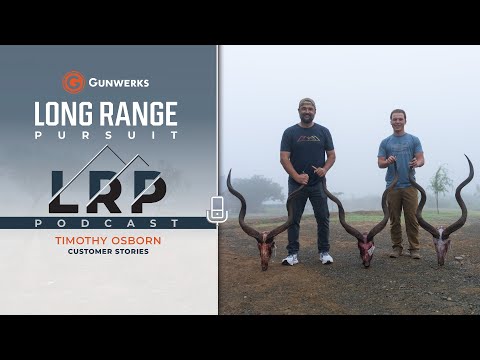
EP 202: JohnX Safaris

Published on March 2, 2026
Duration: 57:30

This episode of the Long Range Pursuit podcast features a discussion with Carl Vanzel of JohnX Safaris, highlighting the evolution of long-range hunting, ethical considerations, and advanced game management practices. The conversation delves into the business growth of JohnX Safaris, the challenges and rewards of conservation efforts like the Kudu project at Woodlands, and the importance of hunter education in promoting sustainable hunting. It also touches upon the advancements in firearm technology and optics that have influenced hunting techniques and success rates.


Quick Summary

Age-based harvesting is a critical conservation strategy in African safaris, prioritizing older animals to allow younger, genetically superior ones to mature and improve herd quality. This approach, combined with habitat management, ensures sustainable game populations and enhances the overall hunting experience.

Chapters

  1. 00:00Introduction to Long Range Pursuit Podcast
  2. 00:13Guest Introduction: Carl Vanzel of JohnX Safaris
  3. 00:27Discussion on Business Growth and Journey
  4. 01:00Mindblowing Experience at Gunwerks Facility
  5. 03:06The Taboo of Long Range in Africa
  6. 03:31Why Was Long Range Hunting Taboo?
  7. 04:31Tribalism and Shifting Hunting Mentalities
  8. 06:18Evolution of the Average Hunter's Proficiency
  9. 07:34Firearms Industry Excitement Over Last Decade
  10. 08:07Hunter's Responsibility and Proficiency
  11. 09:12Prone Position vs. Standing Shots
  12. 10:17Long Range Ranges at Outfitters
  13. 11:31The Challenge of Wind Calls in Hunting
  14. 13:30The Greatest Shot: 881 Yards on a Tip Springbok
  15. 18:16History and Growth of JohnX Safaris
  16. 22:16Understanding African Game Management
  17. 24:16Types of African Hunting Properties
  18. 27:46The Story of Woodlands Reserve
  19. 30:00Kudu Herd Improvement Project
  20. 39:02The Lechwe Project: School Fees of a Lifetime
  21. 44:00True Conservation and Long-Term Vision
  22. 45:40The Biggest Game Changer: Age-Based Harvesting
  23. 47:09Refreshing Conversations on Hunting Ethics
  24. 49:56The Value of African Hunting Experience
  25. 55:11Hunting Plans for the Year
  26. 56:15Upcoming Jumbo Trip: Elephant Hunt
  27. 56:41Conclusion and Thanks

Frequently Asked Questions

What is the significance of age-based harvesting in African safaris?

Age-based harvesting is crucial for sustainable game management. It prioritizes taking older, mature animals, allowing younger, genetically superior animals to reach their full potential, reproduce, and improve the overall health and quality of the herd over time.

How has the perception of long-range hunting changed in Africa?

Long-range hunting was once considered taboo in Africa, often viewed with skepticism regarding ethics. However, with advancements in technology and increased hunter education, it's now widely accepted as a tool for ethical, precise shots, improving success rates and minimizing wounded game.

What are the key challenges in establishing new game herds, like the Lechwe project?

Establishing new game herds can be challenging due to factors like tick-borne diseases (e.g., Tilaria), adaptation issues for introduced animals, and the need for careful genetic selection. The Lechwe project faced significant losses initially due to disease before finding success.

Why is habitat and environment considered more important than genetics in game management?

While genetics are important, a healthy environment and abundant food sources are foundational. Even the best genetics will not thrive or produce quality animals without adequate habitat, water, and nutrition. Investing in soil health and habitat is the first step.

More Hunting & Outdoors Videos You Might Like

More from Gunwerks

View all →