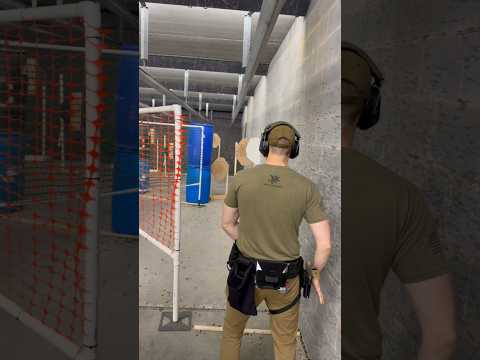
EXCEL at USPSA - How to break down a stage

Published on March 1, 2026
Duration: 10:22

This guide, from an experienced competitive shooter, details how to effectively break down and plan for USPSA stages. It emphasizes independent stage solving, prioritizing an aggressively executed plan over a perfect but half-hearted one. Key principles include efficient pathfinding, shooting targets close, and strategic movement and reloading. The instructor highlights the importance of reading the stage brief, visualizing the run, and considering alternative strategies for optimal scoring.

Quick Summary

USPSA stage planning prioritizes an aggressively executed plan over a perfect one. Key principles include finding the most efficient route, shooting targets close, and avoiding unnecessary gun movement past unshot targets. Thoroughly read the stage brief, visualize the entire run, and consider alternative strategies for optimal scoring.

Chapters

  1. 00:00USPSA Basics & Stage Breakdown Intro
  2. 00:37USPSA Stage Planning Principles
  3. 01:05Reading the Stage Brief
  4. 02:01Stage Brief: Key Points & Gear
  5. 03:02Finding Target Locations
  6. 04:17Planning the Optimal Path
  7. 04:51Front Box Strategy & Visualization
  8. 05:58Alternative Plan & Scoring Discussion

Frequently Asked Questions

What are the fundamental principles for planning a USPSA stage?

The core principles for USPSA stage planning involve independent problem-solving, prioritizing an aggressively executed plan, and generally choosing the most efficient route. Engage targets as close as possible and avoid unnecessary gun movement past unshot targets.

How should a shooter approach reading a USPSA stage brief?

When reading a USPSA stage brief, focus on understanding the start conditions, the total number of targets, the required shots per target, and any specific instructions or constraints outlined in the stage description.

What gear is essential for USPSA stage setup and execution?

Essential gear for USPSA includes a firearm, multiple magazines, and reliable magazine carriers. The video mentions using magnets for magazine pickup and specific brands like Ghost Holsters for magazine pouches.

What is the recommended strategy for movement and target engagement in USPSA?

The recommended strategy involves planning an optimal path to minimize backtracking. Engage targets efficiently, shoot them as close as possible, and integrate reloads during movement between shooting positions for maximum speed.

Related News

All News →

More Range & Competition Videos You Might Like

More from TheHumbleMarksman

View all →