Would You Shoot Through the Door After Hearing & Seeing This?

Published on April 16, 2026
Duration: 12:45

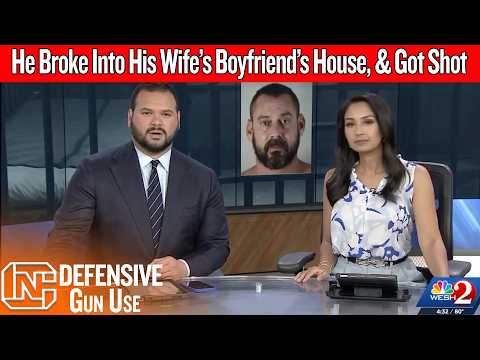
This video analyzes a home invasion incident where an intruder, identifying as 'Harry Dresden,' demanded entry and threatened the homeowner. The analysis focuses on the legal ramifications of using deadly force, particularly the distinction between threats outside the home versus an intruder breaching the domicile. It emphasizes that while self-defense is permissible, the legal justification hinges on the imminence and nature of the threat, with crossing the threshold of the home significantly altering the legal landscape. The video also touches on the importance of preparedness and the potential legal aftermath of using a firearm in self-defense.

Quick Summary

The legal threshold for using deadly force significantly changes once an intruder breaches the physical boundary of a home. While shooting through a closed door at an unseen threat is legally precarious, an intruder crossing the threshold often justifies the use of force, though legal aftermath and preparedness remain critical.

Chapters

  1. 00:00Incident Overview: 'Harry Dresden' at the Door
  2. 00:49Intruder's Demands and Threats
  3. 01:35Escalation and Entry into the Home
  4. 02:33Homeowner's Defense with a Shovel
  5. 03:36Intruder's Response to Military Question
  6. 03:50Intruder Identified: Jason Thomas Nichols
  7. 04:04Charges Filed Against Intruder
  8. 06:30Viewer Comments and 'Shoot Through Door' Mentality
  9. 07:19Legal Analysis: Shooting Through a Closed Door
  10. 07:50The Legal Threshold: Crossing the Doorway
  11. 08:38The Shovel as a Defensive Tool
  12. 09:01Intent vs. Object: The Tool is the Tool
  13. 09:44The Gun Control Argument and This Incident
  14. 10:31Potential PTSD and Veteran Status
  15. 11:05Legal Aftermath of Using a Firearm
  16. 11:41Train, Prepare, Be Ready

Frequently Asked Questions

What are the legal implications of shooting through a closed door during a home invasion?

Shooting through a closed door at an unseen assailant is legally complex. While self-defense laws exist, the lack of visible threat makes justification difficult. The moment an intruder breaches the home's threshold, however, the legal calculation for using deadly force often shifts in favor of the homeowner.

How does the law differentiate between a threat outside and inside a home?

Legally, a threat outside your home requires a higher burden of proof for using deadly force, as you may have a duty to retreat. Once an intruder unlawfully enters your home, the 'Castle Doctrine' and 'Stand Your Ground' principles often grant you greater latitude to use force to defend yourself and your family.

Can a homeowner legally use a common object like a shovel for self-defense?

Yes, a homeowner can use any means available to defend themselves, including common objects like a shovel. The effectiveness and legality of its use depend on the circumstances and the imminence of the threat. However, a firearm generally offers more options and effectiveness against a determined attacker.

What are the potential legal consequences for a homeowner after using a firearm in self-defense?

Even in justified self-defense shootings, homeowners face significant legal processes. This includes giving statements to police, preserving evidence, potential prosecution by a district attorney, and civil lawsuits from the assailant's family. Legal representation and preparedness are crucial.

Related News

All News →

More Self Defense Videos You Might Like

More from Colion Noir

View all →