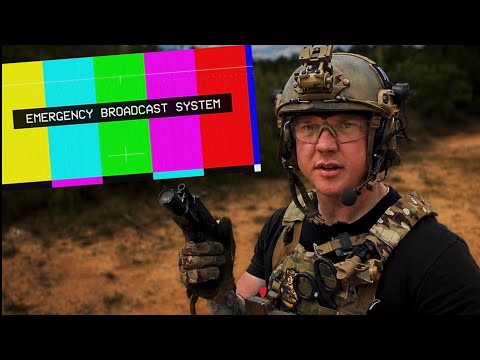
Ballistic Vs Bump Helmet: Which Is Better For You?

Published on September 1, 2023
Duration: 17:47

This video differentiates between ballistic and bump helmets, detailing their purposes, construction, and accessory mounting capabilities. It emphasizes that ballistic helmets offer protection against projectiles and fragmentation, while bump helmets are primarily for impact protection from falls or minor strikes. The presenter highlights the importance of helmet covers for ballistic helmet longevity and camouflage, and discusses various accessories like lights, comms, and night vision mounts.


Quick Summary

Ballistic helmets protect against projectiles and fragmentation using materials like Kevlar, rated to standards like 3A for .44 Magnum. Bump helmets, made of polymer, only protect against impacts from falls. While NIJ doesn't certify helmets directly, manufacturers use their standards. Helmet covers add camouflage and protection, and custom padding is vital for comfort.

Chapters

  1. 00:00Introduction: Ballistic vs. Bump Helmets
  2. 00:29Supporting the Channel
  3. 01:01Helmet Purposes: Carrying Gear & Protection
  4. 01:34Bump Helmet Explained
  5. 02:09Ballistic Helmet Explained: Materials & Protection
  6. 02:39NIJ Certification Misconceptions
  7. 03:22Ballistic Helmet Limitations: Backface Deformation
  8. 04:35Helmet Examples: Ballistic Armor Co vs. Bump
  9. 05:08Helmet Covers: Purpose and Benefits
  10. 06:51Accessory Mounting: Velcro & Battery Packs
  11. 07:19Common Helmet Accessories: Ears, Strobes, Lights
  12. 07:52Night Vision Mounts & Retention Bands
  13. 09:31Comms Systems & Ear Pro Mounts
  14. 10:30Helmet Padding & Suspension Systems
  15. 11:31Customizing Helmet Fit: Padding Importance
  16. 13:11Bump Helmet Suspension & Padding
  17. 14:07Key Differences: Cost & Weight
  18. 14:37Who Needs Which Helmet?
  19. 15:10Recommendation: Buy Both?
  20. 16:30Conclusion: Ballistic vs. Bump Helmets
  21. 17:18Thank You & Support

Frequently Asked Questions

What is the primary difference between a ballistic helmet and a bump helmet?

The primary difference lies in their protective capabilities. Ballistic helmets are designed to stop projectiles and fragmentation, often made from materials like Kevlar or Aramid. Bump helmets, typically made of high-strength polymer, are designed only for impact protection against bumps and falls, offering no significant ballistic resistance.

Are Kevlar and Aramid the same material for ballistic helmets?

Yes, Kevlar is a brand name for Aramid fibers. They are fundamentally the same material used in ballistic helmets and body armor. Claims that one is superior to the other are generally based on misinformation.

Does the NIJ certify ballistic helmets?

No, the National Institute of Justice (NIJ) does not directly certify ballistic helmets. However, manufacturers often use NIJ standards, such as the 3A rating for .44 Magnum capability, for independent testing and to indicate the helmet's protective level.

What are the main functions of a helmet cover on a ballistic helmet?

Helmet covers provide camouflage, protect the ballistic material from UV degradation and weather, prevent scratches that can compromise integrity, and offer a platform for attaching accessories like patches, strobes, and shock cords for wire management.

Why is customizing helmet padding important?

Customizing helmet padding and suspension systems is crucial for comfort during extended wear. Proper adjustment helps distribute pressure evenly, preventing hot spots, headaches, and general discomfort, ensuring the helmet can be worn effectively for long periods.

More Tactical & Gear Videos You Might Like

More from RTT : Guns & Gear

View all →