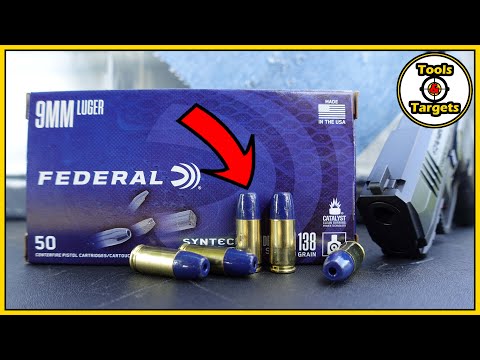
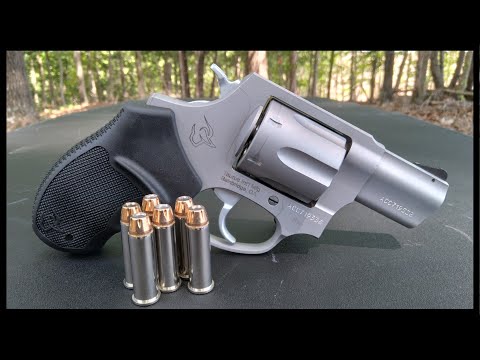
Can This Bullet Made of Powder SAVE Your LIFE?...SinterFire Special Duty AMMO Test!

Published on October 21, 2023
Duration: 14:41

This video tests SinterFire Special Duty ammunition, a unique sintered (powdered) copper and tin hollow-point round, using ballistic gel and a clothing barrier. The presenter, an experienced firearms instructor, evaluates its performance in 9mm and .380 ACP, focusing on penetration, fragmentation, and velocity. While initially skeptical of its light-for-caliber nature, the results show surprisingly controlled fragmentation and significant penetration from the 9mm core, leading to a re-evaluation of its potential effectiveness.

Quick Summary

SinterFire Special Duty ammunition is made from a pressed mixture of copper and tin powder, designed to reduce over-penetration. In tests, the 9mm round achieved 17.5 inches of penetration in ballistic gel with controlled fragmentation, while the .380 ACP penetrated 10.75 inches.

Chapters

  1. 00:00Introduction and Setup
  2. 00:43SinterFire Ammo Explained
  3. 01:48Calibers and Firearms Used
  4. 02:28.380 ACP Velocity Test
  5. 03:579mm Velocity Test
  6. 05:07Ballistic Gel Test: .380 ACP
  7. 06:07Ballistic Gel Test: 9mm
  8. 06:40Gel Results Analysis
  9. 09:40Projectile Base Examination
  10. 10:27Weight Loss and Fragmentation Analysis
  11. 11:39Projectile Dimensions
  12. 12:03Final Thoughts and Future Testing
  13. 13:59Viewer Engagement and Call to Action

Frequently Asked Questions

What is SinterFire Special Duty ammunition made of?

SinterFire Special Duty ammunition is unique as it's constructed from a pressed and heated mixture of copper and tin powder. This creates a sintered projectile, essentially a bullet made of compressed powder, designed for specific terminal ballistic performance.

What are the claimed benefits of SinterFire ammunition?

SinterFire ammunition is claimed to help mitigate the risk of over-penetration, a common concern in self-defense scenarios. Additionally, it's purported to pass through a 3/4-inch hard barrier without fragmenting until it reaches softer targets like ballistic gel.

How did SinterFire ammunition perform in ballistic gel tests?

In tests, the 9mm SinterFire round showed good penetration (17.5 inches) and surprisingly controlled fragmentation, producing numerous fragments. The .380 ACP round also fragmented, though with fewer pieces and less penetration (10.75 inches).

What were the measured velocities for SinterFire ammo?

The 9mm SinterFire ammunition (100 grains) averaged 1236 feet per second, while the .380 ACP variant (75 grains) averaged 1028 feet per second. The presenter noted the ammo was louder than expected for these velocities.

Related News

All News →

More Tactical & Gear Videos You Might Like

More from Tools&Targets

View all →