CUTTING OPEN ARMOR?

Published on February 23, 2017
Duration: 7:08

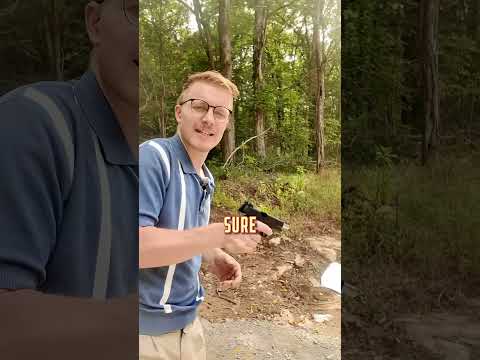
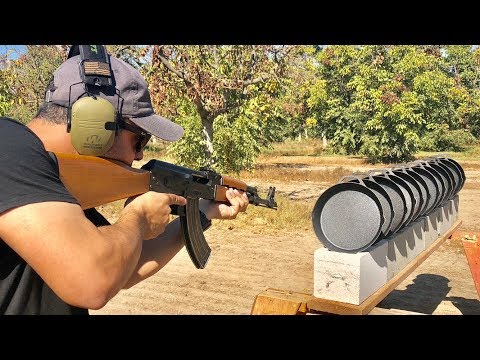
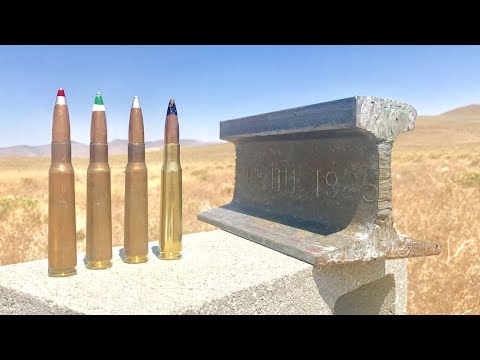
This video details the process of cutting open homemade armor after it was subjected to various ballistic impacts. The analysis reveals the deformation and fragmentation of different bullet types, including a shotgun slug, 9mm, 5.56, 308, and 500 S&W. The presenter discusses the effectiveness of the armor's components, such as Kevlar and sheet metal, and plans for future armor designs.

Quick Summary

Homemade armor was cut open after ballistic testing to reveal recovered projectiles. These included a flattened shotgun slug, 5.56 fragments, a 9mm bullet, a 308 jacket, and a 500 Smith & Wesson projectile, alongside Kevlar and 18-gauge sheet metal.

Chapters

  1. 00:00Introduction and Dogs
  2. 00:22Waiting for Armor Delivery
  3. 01:40Preparing to Cut Armor
  4. 02:21Bees and Agriculture
  5. 03:09Cutting the Armor
  6. 04:06Discovering Projectiles
  7. 04:13Shotgun Slug Analysis
  8. 04:22Sheet Metal and 500 S&W
  9. 04:509mm and 308 Jacket
  10. 05:04Kevlar Examination
  11. 05:325.56 Jacket Fragments
  12. 05:389mm Recovery
  13. 06:07Future Armor Plans
  14. 06:30Thumbnail Shoot
  15. 06:43Outro

Frequently Asked Questions

What types of ammunition were recovered from the homemade armor?

After cutting open the homemade armor, several types of ammunition were recovered. These included a flattened shotgun slug, fragments from a 5.56 round, a 9mm bullet, the jacket from a 308 round, and a 500 Smith & Wesson projectile.

What materials were used in the construction of the homemade armor?

The homemade armor tested in this video was constructed with layers of Kevlar for ballistic protection and also incorporated sheet metal, specifically identified as 18-gauge.

What are the plans for future armor designs based on this test?

Following the analysis of the tested armor, the presenter plans to create a new version. Key modifications will include increasing the gauge of the sheet metal used and potentially adjusting the amount of Kevlar or other protective materials.

What was the purpose of cutting open the armor after the ballistic test?

The purpose of cutting open the armor was to visually inspect the effects of the ballistic impacts. This allowed for the recovery and examination of the projectiles and their fragments, as well as an assessment of how the armor materials like Kevlar and sheet metal performed.

Related News

All News →

More Tactical & Gear Videos You Might Like

More from Edwin Sarkissian

View all →