Gun Up or Gun Down, Which is Better

Published on April 10, 2019
Duration: 9:40

This guide, informed by an expert firearms instructor, details the situational considerations for carrying a firearm in a 'gun up' versus 'gun down' position. It emphasizes that the optimal choice is context-dependent, weighing risks like ricochets and unintended penetration against factors like movement dynamics and team tactics. The core principle is always to mitigate risk by avoiding pointing the muzzle at unintended targets.


Quick Summary

The choice between 'gun up' and 'gun down' firearm carry positions is situational. 'Gun up' is often safer on ranges to prevent ricochets and ground strikes, while 'gun down' carries risks of accidental sweeps towards feet. Tactical teams adapt positions based on formation and proximity to teammates, always prioritizing muzzle discipline to mitigate risk.

Chapters

  1. 00:15Introduction: Gun Up vs. Gun Down
  2. 00:54Mitigating Risk and Context
  3. 01:16Range Safety: Gun Up Rationale
  4. 01:52Dangers of Gun Down: Ricochets
  5. 02:26Natural Movement and Muzzle Discipline
  6. 03:40Gun Up: Safest Range Condition
  7. 04:15Negligent Discharges and Movement
  8. 04:43Tactical Team Considerations
  9. 05:17Situational Adaptation and Bullet Dynamics
  10. 07:07Practical Benefits of Gun Up
  11. 09:03Regulations vs. Reality, Conclusion

Frequently Asked Questions

When is a 'gun up' carry position generally considered safer?

On an open outdoor range with no overhead structures, 'gun up' is typically safer. This position helps prevent accidental muzzle sweeps towards the ground, which can cause dangerous ricochets, and avoids potential damage to overhead components in environments like helicopters.

What are the primary risks associated with a 'gun down' firearm carry position?

A 'gun down' position carries a horizontal muzzle component that can lead to accidental discharges causing bullets to skip or kick up debris, especially on hard surfaces. During rapid movement, natural gait can also sweep the muzzle towards the operator's own feet or legs.

How do tactical teams decide between 'gun up' and 'gun down'?

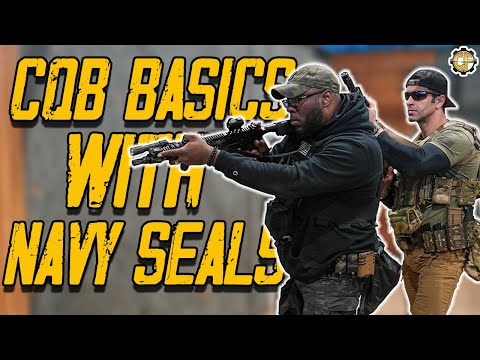
Tactical teams often use 'gun down' for lead operators in specific formations. However, team members further back in a stack may transition to 'gun up' to avoid flagging teammates' gear and to maintain better control in close-quarters situations.

What is the most important factor when choosing a firearm carry position?

The most critical factor is situational awareness and risk mitigation. The decision between 'gun up' and 'gun down' must be based on the specific environment, potential threats, and the goal of avoiding pointing the muzzle at anything you are not willing to destroy.

Related News

All News →

More Tactical & Gear Videos You Might Like

More from The VSO Gun Channel

View all →