HOW TO PAINT YOUR RIFLE - TRAVIS HALEY

Published on December 28, 2023
Duration: 13:57

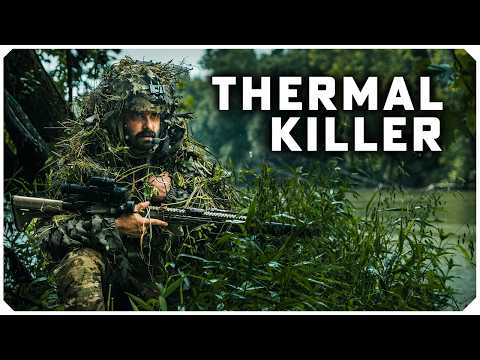
Travis Haley, a former Force Recon Marine and subject matter expert, demonstrates a pragmatic, field-expedient method for painting rifles using Krylon spray paint. The technique focuses on quickly matching the specific environment for effective camouflage, emphasizing environmental analysis, proper masking, light application, and layering colors to break up the rifle's silhouette. Haley stresses that fieldcraft and movement are more critical than a perfect paint job for camouflage effectiveness.

Quick Summary

Travis Haley demonstrates a field-expedient rifle painting technique using Krylon spray paint for rapid environmental adaptation. Key steps include proper masking of optics and critical components, using natural elements as stencils, applying light dustings of paint, and layering colors to create depth and break up the rifle's silhouette. The focus is on functional camouflage over perfect aesthetics, emphasizing that fieldcraft is paramount.

Chapters

  1. 00:50Introduction to Rifle Painting
  2. 01:52Masking and Preparation
  3. 03:27Environmental Analysis and Stenciling
  4. 04:57Application Technique
  5. 06:24Creating Patterns and Depth
  6. 10:18Gear and Camouflage Integration
  7. 11:58Fieldcraft vs. Paint Job

Frequently Asked Questions

What is the primary goal of Krylon-ing a rifle according to Travis Haley?

The primary goal of Krylon-ing a rifle is to quickly match the specific environment for effective camouflage, serving as a fast, field-expedient alternative to permanent finishes like Cerakote.

What critical components should be masked when painting a rifle?

When painting a rifle, it's crucial to mask optics lenses, laser emitters, and key scope markings using painter's tape to prevent damage or functional impairment.

How can natural elements be used for rifle camouflage?

Indigenous vegetation, such as desert shrubs, can be used as natural stencils. Applying paint through these elements helps mimic natural shadows and depth, enhancing camouflage effectiveness.

What is the recommended paint application technique for rifle camouflage?

Apply paint in light dustings rather than thick layers. Using straight edges from objects like rocks or sticks can create lines that break up the rifle's silhouette effectively.

Related News

All News →

More Tactical & Gear Videos You Might Like

More from Haley Strategic Partners

View all →