Minneapolis ICE Shooting Reaction

Published on January 8, 2026
Duration: 10:40

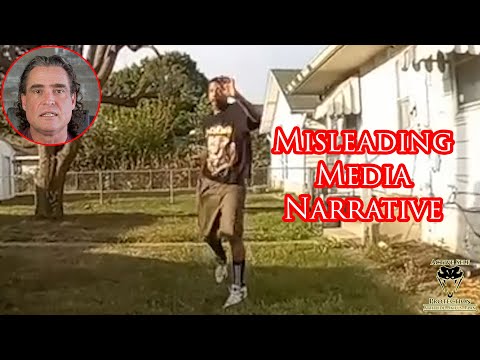
This analysis breaks down a critical incident in Minneapolis involving law enforcement and a vehicle. The speaker, drawing on extensive tactical and legal knowledge, critically examines the actions of both the civilian and the officers. He highlights the justification for drawing a firearm when a vehicle is used as a weapon and discusses the legal doctrines of aggravated battery and qualified immunity, emphasizing the avoidable nature of the tragedy.


Quick Summary

Expert analysis of the Minneapolis ICE shooting reveals critical tactical and legal points. The speaker, an experienced firearms instructor, explains that a vehicle used aggressively constitutes a lethal weapon, justifying firearm deployment. He also discusses the legal doctrines of aggravated battery and qualified immunity, stressing that such tragedies are often preventable.

Chapters

  1. 00:00Introduction and Incident Overview
  2. 00:30Civilian Weapon Grab Analysis
  3. 03:23Importance of Medical Gear
  4. 04:11ICE Shooting Footage Analysis
  5. 07:27Legal Doctrines and Conclusion

Frequently Asked Questions

What tactical considerations are important in a vehicle intervention scenario like the Minneapolis ICE shooting?

Key considerations include recognizing when a vehicle is being used as a lethal weapon, typically indicated by aggressive acceleration or ramming. The justification for drawing a firearm arises when such a threat is present, and the 'five stupids' rule emphasizes avoiding avoidable escalations by all parties.

What is the significance of 'Qualified Immunity' in law enforcement use-of-force incidents?

Qualified Immunity protects government officials from civil liability unless their conduct violates clearly established rights. While a legal reality, its application in controversial use-of-force cases, like the Minneapolis shooting, is often debated.

Why is carrying medical gear emphasized in self-defense discussions?

Statistics suggest medical gear is used more frequently in self-defense scenarios than firearms. Carrying essential trauma supplies is therefore a practical preparedness measure, as highlighted by the speaker's analysis of the Minneapolis incident.

What does the speaker mean by 'monopoly on violence' in the context of the Minneapolis shooting?

The 'monopoly on violence' refers to the state's exclusive right to use force. In the Minneapolis incident, this principle is relevant when analyzing the law enforcement officers' actions and the justification for their use of force against a perceived threat.

Related News

All News →

More Tactical & Gear Videos You Might Like

More from The VSO Gun Channel

View all →