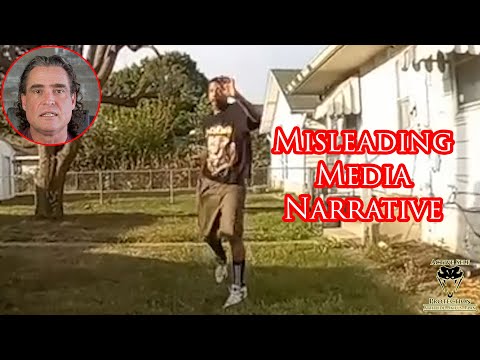
Officers Engage With Man Who Shoots At Random Bystander

Published on December 26, 2022
Duration: 11:39

This analysis, presented by John Correia and Mike Willever of Active Self Protection, breaks down an LAPD officer-involved shooting incident. It covers the tactical response to a suspect who shot a bystander, emphasizing legal precedents, shooting mechanics under stress, and critical gear considerations like body-worn cameras and CCW belts. The expert assessment highlights the importance of proper firearm grip and situational awareness during dynamic engagements.

Quick Summary

Expert analysis of an LAPD officer-involved shooting highlights critical tactical decisions, including the importance of a proper two-handed firearm grip over using a radio during engagement. The review covers legal precedents like Graham v. Connor and emphasizes bystander safety and accurate shooting mechanics under stress.

Chapters

  1. 00:00Introduction and Sponsorship
  2. 00:38Incident Overview
  3. 01:47Officer Engagement
  4. 03:23Tactical Analysis: Patrol and Legalities
  5. 05:09Shooting Mechanics and Bystander Safety
  6. 08:07Radio Usage and Shooting Grip

Frequently Asked Questions

What tactical considerations are important during a police foot pursuit involving a suspect armed with a firearm?

Key considerations include maintaining visual contact, assessing the threat level, prioritizing officer safety, and being prepared to engage if the suspect poses an immediate danger, all while being mindful of bystanders and the environment.

Why is a two-handed grip crucial for officers during a firearm engagement?

A two-handed grip provides significantly greater weapon stability, control, and accuracy, especially under stress. It allows for better management of recoil and more precise shot placement compared to a one-handed grip.

How do legal precedents like Graham v. Connor apply to officer-involved shootings?

Graham v. Connor establishes that use of force must be objectively reasonable from the perspective of a reasonable officer on the scene, considering the totality of the circumstances, including the severity of the crime and the immediate threat posed by the suspect.

What role do body-worn cameras play in analyzing officer-involved incidents?

Body-worn cameras, like the Axon Body 3, provide objective, first-person footage that is crucial for reviewing the sequence of events, officer actions, and the justification for use of force, aiding in transparency and accountability.

Related News

All News →

More Tactical & Gear Videos You Might Like

More from Active Self Protection

View all →