Start Levitating!

Published on January 13, 2025
Duration: 1:07

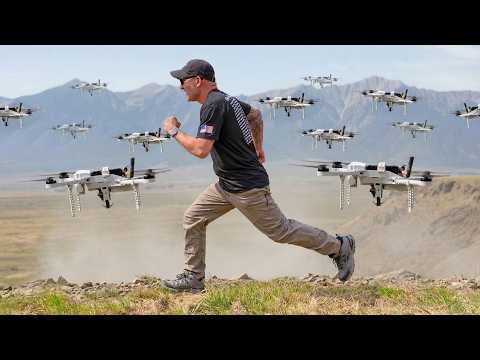
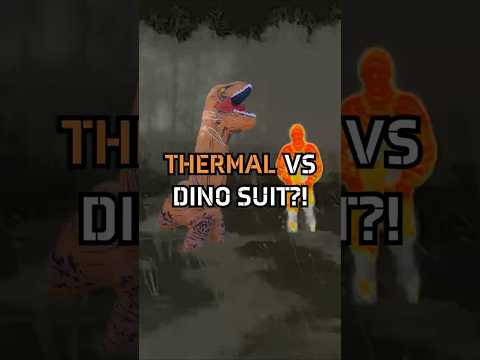
This video explains how thermal imaging reveals footprints in snow due to retained heat, making traditional camouflage ineffective. It highlights that powdery snow below freezing offers the best thermal contrast for detection, while temperatures above freezing reduce signature visibility. The primary countermeasure suggested is continuous movement to outlast operator vigilance or drone battery life.

Quick Summary

Footprints in snow are easily detected by thermal imaging because they retain heat, creating a visible signature. This is most effective in cold, powdery snow below freezing. The best evasion tactic is continuous movement, as traditional concealment methods are often ineffective against thermal sensors.

Chapters

  1. 00:00Introduction: Levitating Over Tracks
  2. 00:18Thermal Detection Methods: Drones & Scanners
  3. 00:27Countering Thermal Detection: Keep Moving
  4. 00:41Temperature's Impact on Footprint Signatures

Frequently Asked Questions

How do thermal imagers detect footprints in the snow?

Footprints in snow are detected by thermal imagers because they retain body heat longer than the surrounding snow. This temperature difference creates a visible heat signature, especially in cold, powdery snow conditions below freezing.

What is the best way to avoid being tracked by thermal imaging in the snow?

The most effective strategy to avoid thermal tracking in snow is to keep moving continuously. Attempting to hide tracks with traditional methods is often futile against thermal sensors, so maintaining movement is key.

Does temperature affect thermal footprint detection?

Yes, temperature significantly impacts thermal footprint detection. In conditions above freezing, the heat contrast diminishes, making tracks less visible. Below freezing, especially in powdery snow, the contrast is high, making detection easier.

Can thermal drones easily find footprints?

Yes, thermal drones equipped with thermal imaging cameras are highly effective at detecting footprints in the snow. The heat signatures left behind are clearly visible to the drone's sensors, particularly in cold environments.

More Tactical & Gear Videos You Might Like

More from FalconClaw

View all β†’