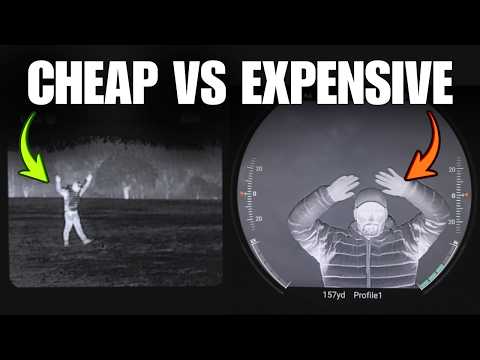
Strictly for static def pos only?

Published on May 13, 2025
Duration: 2:12

This video discusses the utility of thermal optics and laser rangefinders for defensive positions. The device is noted for its long-range observation capabilities, seeing targets like people and vehicles from several kilometers away with a crisp image. However, its size makes it impractical for offensive missions or carrying in a standard pouch, suggesting it's best suited for static defensive roles where its advanced observation and ranging features can be leveraged to call in fires.

Quick Summary

Thermal optics with laser rangefinders are vital for static defensive positions, offering long-range observation and target ranging capabilities. While providing crisp images and identifying targets from kilometers away, their large size limits portability for offensive missions, making them best suited for observation posts where they can facilitate calling in fires.

Chapters

  1. 00:00Introduction to Thermal Optics
  2. 00:12Thermal Optic with Laser Rangefinder
  3. 00:34Use Case: Defensive Positions
  4. 00:46Range Performance
  5. 00:57Size and Portability Issues
  6. 01:01Battery Life and Power
  7. 01:08Cooled Thermal Device Startup
  8. 01:15Design Considerations: Usability
  9. 01:41Defensive vs. Offensive Utility
  10. 01:47Laser Rangefinder for Fire Support
  11. 01:53Platoon Level Capabilities

Frequently Asked Questions

What is the primary role of thermal optics with laser rangefinders in military operations?

Thermal optics with laser rangefinders are primarily used for observation in static defensive positions. They allow soldiers to detect and range targets from significant distances, enabling them to call in fires effectively. Their advanced capabilities make them a crucial component for modern infantry in observation and defense scenarios.

How far can the discussed thermal optic device see?

The thermal optic device discussed in the video offers impressive long-range observation capabilities. It can clearly identify targets such as people and vehicles from several kilometers away, providing a significant advantage over standard optics in terms of detection range and clarity.

What are the limitations of using large thermal optics in the field?

The main limitation of large thermal optics is their size and portability. They are often too bulky to fit into standard pouches or carry easily during offensive maneuvers, requiring them to be transported in a backpack. This makes them more suitable for static defensive roles rather than mobile operations.

What is the battery life of this type of thermal device?

The thermal device discussed provides approximately three to four hours of operation per battery. This duration is important for sustained observation during defensive operations, though users may need to manage battery resources or carry spares for extended missions.

Related News

All News →

More Tactical & Gear Videos You Might Like

More from FalconClaw

View all →