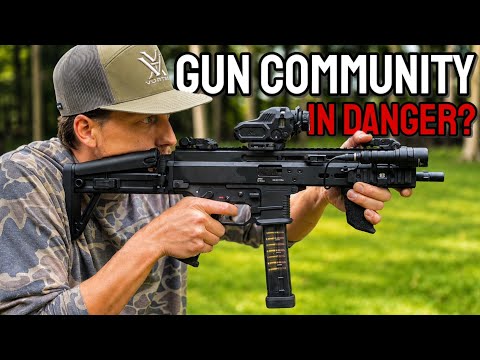
Suppressive Fire with Suppressors | Should We Silence Auto-Rifles?

Published on April 11, 2026
Duration: 37:09

This video explores the effectiveness and drawbacks of suppressing auto rifles, specifically AR-15 platforms, by testing accuracy, back pressure, heat mitigation, flash signature, and sound suppression. It highlights how suppressors can impact accuracy due to increased heat and mirage, increase back pressure leading to fouling and potential health concerns, and significantly alter thermal and IR signatures. The analysis suggests that while suppressors offer benefits like flash reduction, their use on auto rifles requires careful consideration of the specific suppressor technology and operational context.

Quick Summary

Suppressing auto rifles like AR-15s can impact accuracy due to increased heat and mirage, and significantly increase back pressure leading to fouling and visibility issues. While modern suppressors mitigate some of these effects, they also alter thermal and IR signatures, making the firearm more detectable. The decision to suppress depends on balancing benefits like flash reduction against potential drawbacks in accuracy, maintenance, and signature management.

Chapters

  1. 00:00Introduction: Suppressors and Auto Rifles
  2. 01:15Historical Context of Suppressors and Machine Guns
  3. 02:03Testing Plan: Accuracy, Back Pressure, Heat, Flash, Sound
  4. 03:54Accuracy Test Methodology and Results
  5. 08:27Back Pressure Test: Fouling and Health Concerns
  6. 10:08Back Pressure Comparison: Different Suppressor Technologies
  7. 15:16Sound Suppression Test: Echolocation of Auto Rifles
  8. 19:15Nighttime Mode: Flash, IR, and Thermal Signatures
  9. 22:20Full Loadout Test: Unsuppressed vs. Suppressed
  10. 26:02Conclusion: Should You Suppress Auto Rifles?
  11. 29:01Civilian vs. Military Considerations for Suppressed Rifles
  12. 30:24Flash Signature Analysis: Suppressed vs. Unsuppressed
  13. 32:37Final Loadout Test: Thermal and IR Signatures
  14. 35:09Final Verdict: Suppressing Your Auto Rifle

Frequently Asked Questions

How does suppressing an auto rifle affect its accuracy?

Suppressing an auto rifle can negatively impact accuracy due to increased heat trapped around the barrel. This heat can cause wider shot groupings, especially after sustained fire. Mirage caused by the heat can also make target acquisition difficult at longer distances.

What are the main concerns with back pressure when suppressing an AR-15?

Suppressing an AR-15 significantly increases back pressure, forcing more gas and fouling into the rifle's action and the shooter's face. This can lead to faster wear on components, potential health issues from inhaling burnt toxins, and reduced visibility due to gas and debris.

How do suppressors affect thermal and night vision signatures?

Suppressors dramatically alter thermal and infrared (IR) signatures. They make the firearm and shooter more visible to thermal optics and can create a bright, persistent light source on the muzzle under IR, acting like a spotlight.

Is it worth suppressing an auto rifle for flash reduction?

Suppressing an auto rifle can reduce muzzle flash, but the effectiveness depends heavily on the suppressor's design. Some suppressors are specifically engineered for flash reduction, while others prioritize sound suppression. It's crucial to choose a suppressor that meets your specific needs for signature reduction.

Related News

All News →

More Tactical & Gear Videos You Might Like

More from Dirty Civilian

View all →