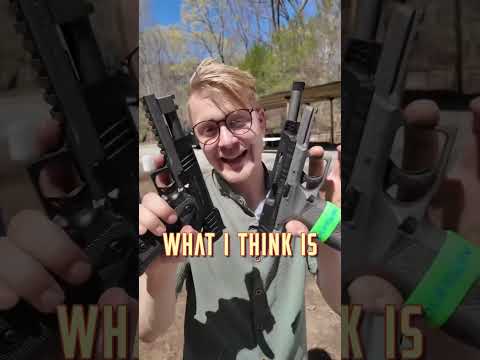
Arma mais pesada = Tiro mais rápido??? *TESTE*

Published on April 1, 2025
Duration: 1:05

This video tests the hypothesis that heavier firearms shoot faster. While the tested heavier firearms (Gear Sun Disruptor 10 and Gearson Witness Match) showed slightly faster times, the instructor attributes this not to weight alone, but to exceptional triggers, enlarged magwells, grippy textures, and compensators that reduce muzzle rise, leading to a flatter shooting platform.


Quick Summary

Heavier firearms don't inherently shoot faster solely due to their weight. Factors like exceptional trigger quality, enlarged magwells for quicker reloads, grippy textures for better control, and compensators that reduce muzzle rise contribute significantly to a flatter shooting platform and faster follow-up shots.

Chapters

  1. 00:00Intro: Heavier Gun = Faster Shot?
  2. 00:02Test Setup: Three Firearms & Chronograph
  3. 00:09Firearm Selection: Two Heavy, One Light
  4. 00:14Round 1: Light Firearm Time
  5. 00:17Round 2: Gear Sun Disruptor 10 Time
  6. 00:27Round 3: Gearson Witness Match Time
  7. 00:34Results Analysis: Gearson 10 & Match Times
  8. 00:41Real Cause: Trigger, Magwell, Texture, Compensator
  9. 00:53Compensator Effect: Louder, Flatter Shot
  10. 00:57Conclusion: Weight is Part of a Package
  11. 01:03Subscribe for More

Frequently Asked Questions

Does a heavier firearm shoot faster than a lighter one?

While a test showed heavier firearms like the Gear Sun Disruptor 10 and Gearson Witness Match were slightly faster, the instructor attributes this to factors beyond just weight. Exceptional triggers, enlarged magwells, grippy textures, and compensators that reduce muzzle rise are key contributors to a flatter, faster shooting experience.

What factors contribute to a firearm shooting faster?

Beyond firearm weight, several elements influence shooting speed. These include the quality and feel of the trigger, the design of the magwell for easier reloads, the texture of the grip for better control, and the presence of a compensator to manage muzzle rise and keep the firearm flatter.

How does a compensator affect firearm performance?

A compensator on a firearm is designed to redirect propellant gases upwards. This action helps to counteract the natural muzzle rise that occurs during firing, resulting in a flatter shooting trajectory. While it can make the firearm louder, the benefit is improved control and potentially faster follow-up shots.

What is the role of grip texture and magwell size in shooting speed?

A grippy texture on a firearm's frame prevents the shooter's hand from slipping during recoil, enhancing control. An enlarged magwell, often found on competition or performance-oriented firearms, provides a wider target for faster and more reliable magazine insertions during reloads, contributing to overall speed.

Related News

All News →

More Training & Techniques Videos You Might Like

More from Tática Civil

View all →