Build Box Bonus: Understanding ‘Dwell Time’ | Gun Talk Media

Published on November 14, 2023
Duration: 1:26

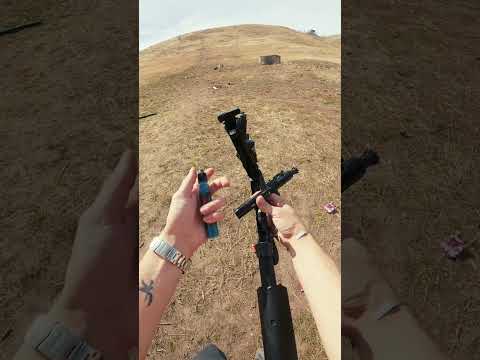
This video explains the concept of 'dwell time' in direct impingement (DI) AR-style rifles. Dwell time is defined as the duration from when a bullet passes the gas port until it exits the barrel. This duration directly influences the amount of gas pressure built up, which in turn affects the cycling of the rifle. Understanding dwell time is crucial for tuning a rifle's gas system, especially when using suppressors, which can significantly increase back pressure and lead to overgassing.

Quick Summary

Dwell time in AR-15 and AR-10 rifles is the period from when a bullet passes the gas port until it exits the barrel. This duration dictates how much gas pressure builds up, influencing the rifle's cycling. Longer dwell times generally mean more pressure, which is a key factor when considering suppressors that increase back pressure.

Chapters

  1. 00:02What is Dwell Time?
  2. 00:05Direct Impingement (DI) System
  3. 00:20Gas Port Size and Dwell Time
  4. 00:38Bullet Travel and Pressure Buildup
  5. 00:51Impact of Suppressors on Dwell Time
  6. 01:00Gas Pressure and Rifle Cycling
  7. 01:16Dwell Time Explained Simply

Frequently Asked Questions

What is dwell time in the context of AR-15 and AR-10 rifles?

Dwell time refers to the duration a bullet spends in the barrel after passing the gas port but before exiting the muzzle. This period allows gas pressure to build up and act on the bolt carrier group, facilitating the rifle's semi-automatic cycling.

How does dwell time affect gas pressure in a direct impingement system?

A longer dwell time allows more gas to escape from the barrel after the bullet has passed the gas port, leading to increased pressure buildup. This pressure is what drives the bolt carrier group and enables the rifle to cycle for subsequent shots.

Why is dwell time important when using a suppressor on an AR rifle?

Suppressors trap expanding gases, significantly increasing back pressure within the barrel. This amplified pressure, combined with the rifle's inherent dwell time, can lead to an overgassed condition, causing increased recoil and potential reliability issues.

What determines the gas port size on an AR-style rifle barrel?

The gas port size is a critical component influenced by the barrel's dwell time. Manufacturers select gas port sizes to optimize gas system function for a given barrel length and intended use, balancing reliable cycling with manageable recoil.

Related News

All News →

More Training & Techniques Videos You Might Like

More from Gun Talk Media

View all →