Can you fire a 5.56 round through a 7.62 AK?

Published on September 26, 2020
Duration: 6:19

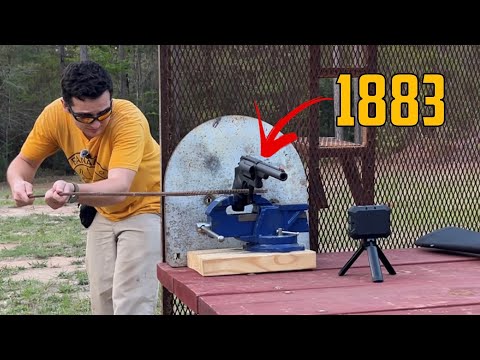
This guide details the experimental process of firing a 5.56x45mm NATO round through a 7.62x39mm AK-103s rifle, as demonstrated by Polenar Tactical. It covers the mechanical predictions, the live-fire testing, and the post-firing analysis of the casing and target. The experiment highlights built-in safety features of the AK platform and the consequences of firing undersized ammunition in an oversized bore, including bullet tumbling and altered ballistic performance.

Quick Summary

Firing a 5.56x45mm round through a 7.62x39mm AK-103s can result in the round firing, but with significant consequences. Expect the bullet to tumble due to improper rifling engagement, causing keyhole impacts on the target. The fired casing may expand to fit the chamber without rupturing, and recoil will be reduced.

Chapters

  1. 00:00Experiment Introduction
  2. 00:30Mechanical Predictions
  3. 01:51Live Fire Testing
  4. 03:01Successful Firing and Analysis
  5. 04:09Post-Fire Inspection

Frequently Asked Questions

What happens if you fire a 5.56 round through a 7.62 AK?

Firing a 5.56x45mm round through a 7.62x39mm AK-103s can result in the round firing, but with significant consequences. Expect the bullet to tumble due to improper rifling engagement, causing keyhole impacts on the target. The fired casing may expand to fit the chamber without rupturing, and recoil will be reduced.

Is it safe to fire a 5.56 round in a 7.62x39mm rifle?

It is not recommended or safe to intentionally fire a 5.56x45mm round through a 7.62x39mm rifle. While the AK platform may have safety features preventing firing out of battery, a successful discharge can lead to keyholing, reduced accuracy, and potential firearm stress. Always use the correct ammunition for your firearm.

Why would a 5.56 round not fire in a 7.62 AK?

A 5.56x45mm round might not fire in a 7.62x39mm AK due to the difference in casing diameter. The smaller 5.56 casing may not seat correctly, preventing the rifle from going fully into battery. This 'out-of-battery' condition is a safety feature that stops the hammer from striking the firing pin.

What is 'keyholing' when firing a gun?

Keyholing occurs when a bullet tumbles through the air after leaving the barrel, rather than flying point-first. This results in a keyhole-shaped or rectangular hole on the target. It typically happens when the bullet is not properly engaging with the rifling, often due to a caliber mismatch or incorrect twist rate for the bullet weight.

Related News

All News →

More Training & Techniques Videos You Might Like

More from Polenar Tactical

View all →