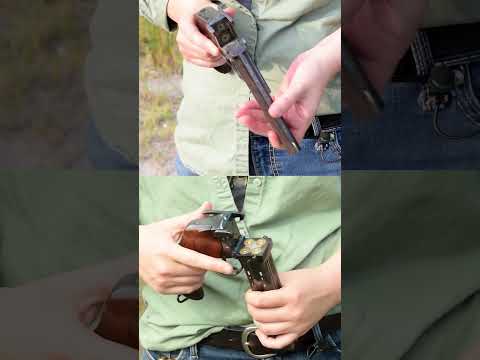
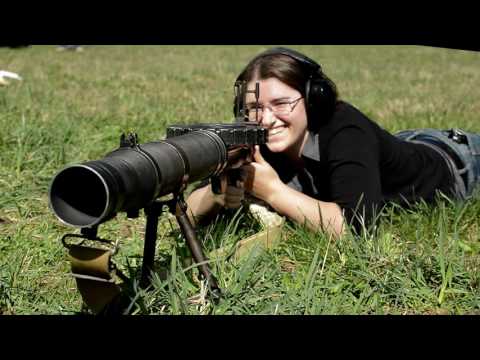
Clips: How Close is Point Blank?

Published on March 30, 2022
Duration: 2:33

This video from C&Rsenal's 'Clips' series expertly defines 'point blank range' beyond common misconceptions. It explains that point blank is not simply inches, but the distance at which a bullet's trajectory intersects the line of sight without sight adjustment. The video differentiates this from 'point blank range' which is the maximum distance a bullet remains within an acceptable target zone (like an adult torso) without sight adjustment, a concept crucial for military applications and achievable with faster, flatter-shooting ammunition.

Quick Summary

In firearms, 'point blank' is the distance where a bullet's arc intersects the line of sight, often the zeroed distance. 'Point blank range' is the maximum distance a bullet hits an acceptable target zone (like an adult torso) without sight adjustment. Faster bullets create flatter trajectories, extending this effective range.

Chapters

  1. 00:00Introducing Point Blank Terminology
  2. 00:30Bullet Trajectory and Sights Explained
  3. 01:29Defining Point Blank Range

Frequently Asked Questions

What is the technical definition of 'point blank' in firearms?

In firearms ballistics, 'point blank' refers to the distance at which a bullet's trajectory intersects the shooter's line of sight. This is often the distance at which a firearm is zeroed, meaning the sights are aligned to hit the target at that specific range.

How is 'point blank range' different from 'point blank'?

'Point blank range' is the maximum distance a bullet will strike an acceptable target zone, like an adult torso, without requiring the shooter to adjust their sights. It's a broader concept than 'point blank,' focusing on effective engagement distance.

Why is bullet trajectory important for understanding point blank range?

Bullet trajectory is crucial because gravity causes bullets to arc downwards after leaving the barrel. Understanding this arc allows shooters and ballisticians to determine the ranges where the bullet's path aligns with the line of sight or stays within an effective target zone.

How do faster bullets affect point blank range?

Faster bullets generally have flatter trajectories, meaning they drop less over distance. This significantly extends the 'point blank range,' allowing for more accurate shots at greater distances without the need for frequent sight adjustments.

Related News

All News →

More Training & Techniques Videos You Might Like

More from C&Rsenal

View all →