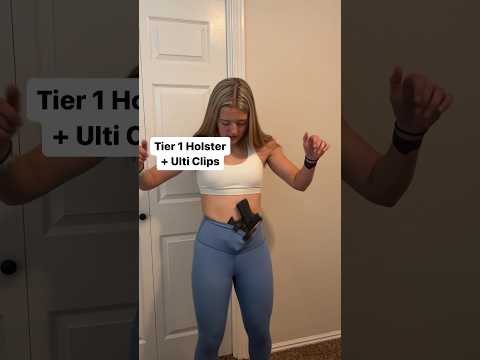
Don't Make These Concealed Carry Mistakes

Published on May 1, 2026
Duration: 13:58

This video provides a comprehensive overview of common concealed carry mistakes, categorized into gear, skill, and mindset errors. It emphasizes the critical importance of proper holsters with trigger protection, efficient draw techniques, and heightened situational awareness. The instructor, Alyssa Seymour, a seemingly experienced concealed carrier, also highlights the value of competitive shooting for skill development and recommends incorporating medical training alongside firearm proficiency.

Quick Summary

Key concealed carry mistakes involve gear, skill, and mindset. Prioritize holsters with robust trigger protection, practice efficient draw strokes using a shot timer, and maintain high situational awareness. Competitive shooting and medical training are also recommended for enhanced preparedness and proficiency.

Chapters

  1. 00:01Introduction: Concealed Carry Statistics
  2. 00:20Mistake Category 1: Gear Errors
  3. 00:31Holster Importance & Trigger Protection
  4. 00:49Caution with Beltless/Retention-Less Setups
  5. 01:13The Danger of No Holster/Trigger Guard
  6. 02:20Alternatives to Inadequate Holsters
  7. 03:08Bag Inserts as Trigger Protection
  8. 03:43Optimizing Carry Position & Printing
  9. 03:53Stop Adjusting Clothes in Public
  10. 04:17Favorite Carry Option: Phlster Enigma
  11. 04:58Mistake Category 2: Skill Errors
  12. 05:00Draw Speed & Efficiency
  13. 05:13Training at Only One Speed
  14. 05:30Speed vs. Accuracy in Shooting
  15. 05:37Proficiency on the Range
  16. 05:53Using a Shot Timer
  17. 06:13Recommended Shot Timer: Shooters Global
  18. 06:33Balancing Speed and Accuracy: Hit Factor
  19. 07:07Implementing Hit Factor Scoring
  20. 07:20Practicing Draws with Different Outfits
  21. 07:58Testing Your Gear Reliability
  22. 08:12Mistake Category 3: Mindset Errors
  23. 08:21Situational Awareness is Key
  24. 08:56Minimizing Distractions (Headphones)
  25. 09:30Concealed Carriers Are Not Confrontational
  26. 09:59De-escalation is Preferred
  27. 10:12Carrying a Gun is a Responsibility
  28. 10:21Don't Wait to Carry for 'Sketchy' Areas
  29. 10:46Knowing Firearm Laws
  30. 10:56Medical Skills are Crucial
  31. 11:16Conclusion: One Piece of Advice
  32. 11:36Compete in Local Matches
  33. 12:04Benefits of Competition
  34. 13:07YouTube Series: Shooting to My Limits
  35. 13:37Call to Action & Outro

Frequently Asked Questions

What are the most common concealed carry mistakes?

Common concealed carry mistakes fall into three categories: gear, skill, and mindset. Gear mistakes include using improper holsters without adequate trigger protection. Skill errors involve insufficient draw practice and neglecting speed-accuracy training. Mindset issues encompass a lack of situational awareness and not prioritizing de-escalation.

Why is a good holster with trigger protection essential for concealed carry?

A proper holster with hard trigger protection is vital to prevent accidental discharges. It ensures the trigger guard is fully covered, safeguarding against unintentional contact with the trigger during drawing, reholstering, or daily carry, especially when carrying with a round in the chamber.

How can I improve my concealed carry draw speed and accuracy?

Improve your draw by practicing consistently with a shot timer to measure speed and accuracy. Focus on efficient movement and aim for a 1.5-second draw to the first shot from concealment, striving for under one second. Incorporate drills that balance speed with accurate shot placement.

What is the best way to test my concealed carry gear?

The best way to test your concealed carry gear is by participating in local shooting competitions like USPSA or IDPA. This allows you to draw from concealment, shoot under pressure, and identify any issues with your firearm, holster, magazines, or ammunition in a dynamic environment.

Related News

All News →

More Training & Techniques Videos You Might Like

More from Alyssa Seymour

View all →