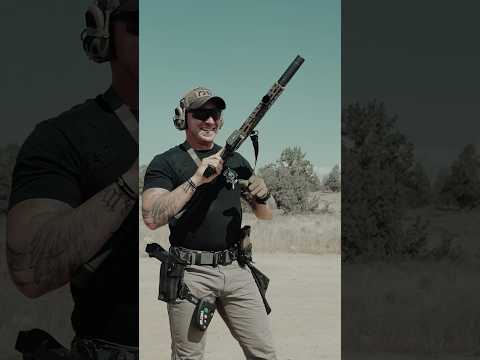
DYNAMIC ENVIRONMENTS

Published on August 31, 2022
Duration: 4:17

This video demonstrates techniques for engaging targets and managing malfunctions in dynamic, potentially low-light environments. It emphasizes maintaining situational awareness with weapon-mounted lights, executing safe reloads in darkness, and employing proper movement and target acquisition strategies to improve accuracy and control during engagements.

Quick Summary

Master firearm handling in dynamic environments by utilizing weapon-mounted lights for situational awareness, even during malfunctions. Practice safe reloads in low-light conditions and focus on target acquisition while moving. Employ techniques like lowering your center of gravity and using gliding steps for improved stability and accuracy.

Chapters

  1. 01:17Stoppage and Reload in Dynamic Environments
  2. 01:38Adopting Light and Movement
  3. 01:45Safe Magazine Changes in Darkness
  4. 01:52New Reference to Target Engagement
  5. 03:22Forward Hand and Movement Stability
  6. 03:36Target Focus vs. Reticle Focus
  7. 03:40Movement Technique: Glide and Narrow Gaze

Frequently Asked Questions

How should I use my weapon-mounted light during a gunfight with a malfunction?

If your weapon-mounted light is already on during an active gunfight with a stoppage or malfunction, continue to use it. It can act as a 'lighthouse,' helping you maintain situational awareness and gather information about your surroundings while you address the issue.

What is the recommended technique for reloading in low-light conditions?

Reloads, whether tactical or emergency, can be safely performed in the dark. Focus on maintaining a secure grip on your firearm and magazines, and practice the motions until they become muscle memory. This ensures you can execute the reload effectively without visual cues.

How can I improve my accuracy when moving and engaging targets?

To improve accuracy while moving, focus on the target rather than your sights or reticle. Lower your center of gravity, narrow your gaze, and use smooth, gliding steps. Your forward hand can also assist in stabilizing your body and tracking vertically.

When should I keep my weapon-mounted light on after a gunfight?

After the gunfight has concluded, you can keep your weapon-mounted light on. This allows you to maintain focus on the information you've gathered and the environment, serving as a tool for continued situational awareness and assessment.

Related News

All News →

More Training & Techniques Videos You Might Like

More from Achilles Heel Tactical

View all →