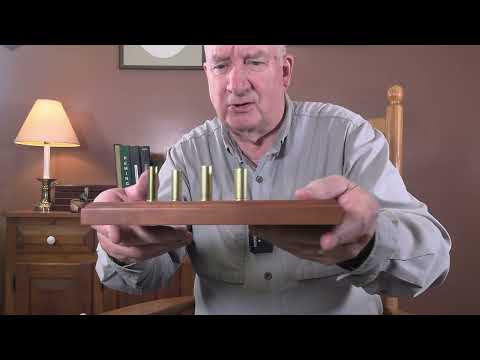
Evitiamo di far esplodere la nostra pistola #balistica

Published on March 11, 2025
Duration: 7:13

This video explains how a bullet setback, caused by improper case resizing and excessive powder compression, can lead to dangerous pressure spikes in handguns. Reloaders are advised to carefully select components, properly resize cases to maintain neck tension, and use propellants suited to the caliber to avoid a 'perfect storm' of conditions that could cause firearm damage or injury.

Quick Summary

Bullet setback, where a bullet is pushed deeper into its case, reduces internal volume and compresses propellant, leading to dangerous pressure spikes. This, combined with worn cases and fast-burning powders, can create a 'perfect storm' causing firearm damage or explosion. Proper reloading techniques, including precise case resizing and appropriate propellant selection, are crucial for safety.

Chapters

  1. 00:00Introduction: Bullet Setback Danger
  2. 00:11Meet Guido: Armaiolo & Ballistico
  3. 00:25Understanding Internal Ballistics
  4. 00:46Powder Energy vs. Bullet Velocity
  5. 01:13The Danger of Setback
  6. 01:41The 'Perfect Storm' Scenario
  7. 02:03Reloading Example: Worn Case Issues
  8. 02:37Bullet Setback During Feeding
  9. 03:04Propellant Speed and Pressure
  10. 03:34The Perfect Storm Explained
  11. 04:00Bullet Held by Pressure
  12. 04:14Consequences of Over-Pressurization
  13. 04:39Firearm Destruction Scenarios
  14. 04:57How to Avoid These Dangers
  15. 05:11Reloading Best Practices
  16. 05:27Case Elasticity and Thickness
  17. 05:53Proper Case Resizing
  18. 06:11Propellant Selection
  19. 06:25Case Taper Differences (9x21 vs 9x19)
  20. 06:45Conclusion & Next Topics

Frequently Asked Questions

What is bullet setback and why is it dangerous in firearms?

Bullet setback occurs when a bullet is pushed deeper into the cartridge case, reducing internal volume and compressing the propellant. This can lead to dangerously high pressure spikes when fired, potentially causing firearm damage or explosion.

How can reloaded ammunition cause a handgun to explode?

A combination of factors, including a worn case with insufficient neck tension, bullet setback reducing case volume, and using fast-burning powders, can create a 'perfect storm' of over-pressurization, leading to catastrophic firearm failure.

What are the key reloading practices to prevent over-pressurization?

Properly resize cases to ensure adequate neck tension, avoid excessive powder compression, select propellants suited to the caliber, and be mindful of case taper differences between calibers like 9x19 and 9x21.

What is the role of propellant burn rate in firearm safety?

Faster-burning propellants ignite more quickly, leading to rapid pressure increases. When combined with factors like bullet setback, this can cause dangerous pressure spikes. Slower, progressive powders offer more time for the bullet to move, mitigating this risk.

Related News

All News →

More Training & Techniques Videos You Might Like

More from Vampire Guns

View all →