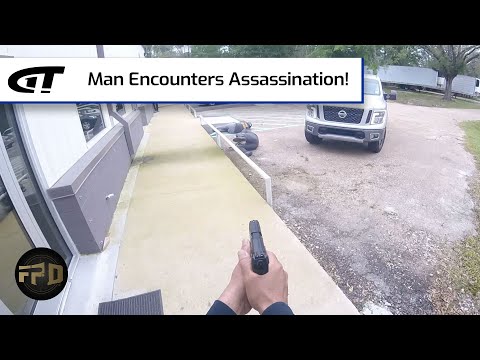
Force on Force Fridays: Armed Citizen Training

Published on September 23, 2022
Duration: 7:32

This Force on Force training session, led by Instructor Dorr, emphasizes critical self-defense skills for armed citizens. Participants engage in realistic scenarios, focusing on de-escalation, threat assessment, and immediate action when faced with aggression. Key takeaways include the importance of maintaining situational awareness, seeking cover and creating distance after engagement, and understanding the legal and perceptual nuances of drawing a weapon. The training highlights the need for continuous assessment and a reset mindset for each new threat.

Quick Summary

Force on Force training emphasizes de-escalation and avoiding premature weapon draws. After neutralizing an immediate threat, it's crucial to move to cover and reassess for secondary threats, as even seemingly harmless individuals can pose a danger. Continuous situational awareness is key for armed citizens.

Chapters

  1. 00:25Scenario Briefing and De-escalation
  2. 00:59Initial Encounter and Threat Assessment
  3. 01:09Threat Emerges and Immediate Action
  4. 01:17Post-Engagement Feedback and Analysis
  5. 01:28Participant's Perception and Reaction
  6. 01:46Instructor Highlights Missed Threat Signals
  7. 02:14Importance of Continuous Movement and Cover
  8. 02:37Distinction Between Safety and Fleeing
  9. 02:46New Scenario Setup and Mindset
  10. 02:57Ambush Scenario and Physical Contact
  11. 03:13Debriefing Physical Ambush and Response
  12. 03:39Head Checks and Situational Awareness
  13. 04:17Review of Varied and Advanced Scenarios
  14. 04:58Avoiding Escalation and Managing Threat Perception
  15. 05:20Legal Implications and Witness Perception
  16. 05:32Justified Drawing and Hostile Intent
  17. 05:55Movement Shortcomings and Spatial Awareness
  18. 06:14Unexpected Threat Reactions to Citizen Approach
  19. 06:26Aggressive Engagement Demonstration
  20. 06:32Seeking Feedback for Future Training
  21. 06:42Reality of Modern Crime and Travel
  22. 07:12Assessing Non-Obvious Threats

Frequently Asked Questions

What is the primary goal of de-escalation in armed citizen training?

The primary goal of de-escalation in armed citizen training is to prevent a situation from escalating into violence. This involves avoiding actions that could signal intent to draw a weapon prematurely, such as reaching for a concealed firearm without clear hostile intent.

Why is it important to move and seek cover after engaging a threat?

After neutralizing an immediate threat, it's crucial to move to create distance and seek cover. This action is for safety, allowing you to reassess the situation, scan for secondary threats, and avoid becoming a static target for other aggressors.

Can seemingly harmless individuals pose a threat in self-defense scenarios?

Yes, even individuals who appear harmless, like someone with mental health issues or someone simply present, can pose a threat. Continuous situational awareness and threat assessment are vital, as intent can be concealed.

What are the risks of drawing a weapon prematurely?

Drawing a weapon prematurely, without clear and present hostile intent, carries significant risks. It can escalate the situation, lead to negative public perception, and potentially result in legal repercussions, with witnesses perceiving the armed citizen as the aggressor.

Related News

All News →

More Training & Techniques Videos You Might Like

More from Tactical Hyve

View all →