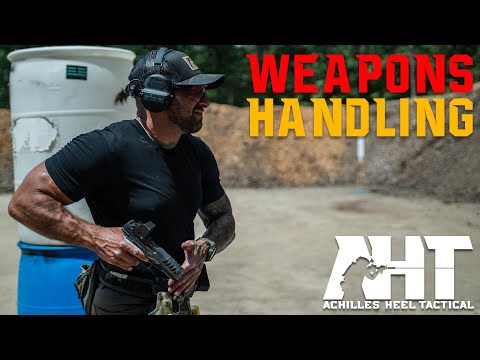
Holster Draw Techniques: Snatch or Scoop Draw?

Published on September 26, 2022
Duration: 8:24

This guide details two primary pistol draw techniques: the Snatch and the Scoop. The Snatch draw, common in sport shooting, emphasizes a high grip achieved by pushing down on the pistol. The Scoop draw, also seen in competition, focuses on lifting the pistol with fingers first. The video provides tips on achieving a consistent grip, using index points, and discusses the pros and cons of each method, noting the Scoop draw's lower consistency in tactical applications. Instruction is provided by Myles from Tactical Hyve, an expert in firearm techniques.


Quick Summary

The Snatch draw, common in sport shooting, involves pushing down on the pistol to achieve a high grip before drawing. The Scoop draw lifts the pistol with fingers first, then wraps the thumb. While potentially faster, the Scoop draw is less consistent and generally not recommended for tactical applications due to control risks.

Chapters

  1. 00:00Introduction to Holster Draw Types
  2. 00:33Sponsor: Mark 7 Reloading
  3. 01:33Snatch Draw Technique
  4. 02:49Scoop Draw Technique
  5. 04:10Application: Sport vs. Tactical
  6. 04:25Draw Tip: Avoid Excessive Downward Force
  7. 05:38Draw Tip: Use Index Points
  8. 07:06Pros and Cons: Snatch vs. Scoop
  9. 08:01Conclusion

Frequently Asked Questions

What is the difference between a Snatch and a Scoop pistol draw?

The Snatch draw involves pushing down on the pistol to achieve a high grip before drawing, common in sport shooting. The Scoop draw lifts the pistol with fingers first, then wraps the thumb, potentially faster but less consistent and generally avoided in tactical scenarios.

Which pistol draw technique is better for tactical applications?

The Snatch draw is generally recommended for tactical applications due to its superior consistency and control. While the Scoop draw can be faster, its potential for losing grip or control makes it less suitable under stress.

How can I ensure a consistent pistol draw from a holster?

Consistency in pistol draws is achieved through a proper, high grip and the use of index points. For a snatch draw, use your forearm along the grip; for a scoop draw, ride your middle finger along the holster.

What are the pros and cons of the Snatch vs. Scoop draw?

The Snatch draw offers a solid, consistent grip but is slightly slower. The Scoop draw is potentially faster by avoiding opposing forces but risks losing control due to an initially looser grip, especially under stress.

Related News

All News →

More Training & Techniques Videos You Might Like

More from Tactical Hyve

View all →