How to Adjust AR15 and AR10 Gas Block | Palmetto State Armory

Published on June 5, 2024
Duration: 3:15

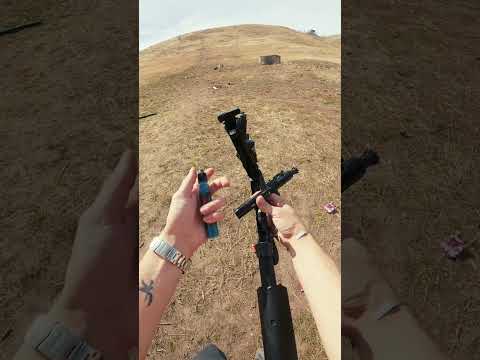
This guide details how to properly tune an adjustable gas block on an AR-15 or AR-10 platform. The process involves starting with the gas block fully open and incrementally closing it (to the left) while firing single shots. The optimal setting is achieved when the firearm reliably cycles, locks the bolt open, and ejects brass at the 3:00 position. This tuning process helps mitigate recoil and keeps the firearm cleaner by reducing excess gas.

Quick Summary

To properly tune an AR-15 or AR-10 adjustable gas block, start with it fully open. Fire a round and observe ejection; brass ejecting forward means it's over-gassed. Adjust the block one click to the left (closed) and re-test. The goal is reliable cycling with brass ejecting at the 3:00 position.

Chapters

  1. 00:00Introduction to Adjustable Gas Blocks
  2. 00:16Gas Block Adjustment Direction (Open/Closed)
  3. 00:31Tuning Process: Starting Fully Open
  4. 00:42Observing Ejection Pattern (3:00 Ideal)
  5. 01:02Identifying Over-Gassed Symptoms (Brass Forward)
  6. 01:13Incremental Adjustment and Testing
  7. 01:40Achieving Optimal 3:00 Ejection
  8. 01:55Reliability Test: Multiple Rounds
  9. 02:24Factors Affecting Gas Settings (Suppressors, Ammo)
  10. 02:40Benefits of a Tuned Gas System
  11. 02:47Conclusion and Applying Knowledge

Frequently Asked Questions

What is the ideal ejection pattern for a properly tuned AR-15 or AR-10 gas system?

The ideal ejection pattern for a properly tuned AR-15 or AR-10 gas system is at the 3:00 position, meaning the spent brass is ejected directly to the side, perpendicular to the rifle. This indicates the system is neither over-gassed nor under-gassed, and the bolt should also lock open on an empty magazine.

How do I know if my AR-15 or AR-10 gas block is over-gassed?

An over-gassed AR-15 or AR-10 gas system is typically indicated by the spent brass ejecting forward, often at an angle less than 90 degrees from the rifle. This means too much gas is being directed into the action, causing excessive cycling speed.

What are the benefits of adjusting an AR-15 or AR-10 gas block?

Adjusting an AR-15 or AR-10 gas block offers several benefits, including reduced felt recoil for a more comfortable shooting experience, improved reliability by ensuring proper cycling, and a cleaner firearm due to less gas fouling entering the action.

Does adding a suppressor affect my AR-15/AR-10 gas system tuning?

Yes, adding a suppressor significantly increases backpressure, which effectively adds more gas to the system. This usually requires re-tuning the adjustable gas block to a more closed (less gas) setting to maintain optimal cycling and ejection patterns.

Related News

All News →

More Training & Techniques Videos You Might Like

More from Palmetto State Armory

View all →