I Found The MOST Dangerous Revolver

Published on September 27, 2024
Duration: 14:57

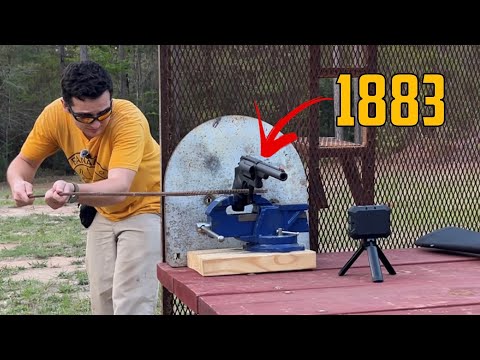
This guide details the critical safety considerations surrounding revolver cylinder gaps, based on experimental testing by Banana Ballistics. It emphasizes the severe injury potential from escaping gases, particularly with high-pressure magnum and rifle cartridges. The content highlights the importance of understanding firearm mechanics and maintaining safe shooting practices to prevent accidents.

Quick Summary

The most dangerous aspect of a revolver's cylinder gap is the potential for severe injury from high-pressure gases escaping during firing. Powerful magnum and rifle cartridges can cause significant damage, including lacerations and loss of digits, necessitating strict adherence to firearm safety protocols and maintaining a safe distance.

Chapters

  1. 00:00Introduction to Cylinder Gap Hazards
  2. 00:30Low Pressure Testing (.410 & .45 Colt)
  3. 02:55Mid-Range Pressure Testing
  4. 05:12High Pressure Magnum Rounds
  5. 07:19Rifle Caliber Revolvers
  6. 10:20Extreme Pressure Testing

Frequently Asked Questions

What is the primary danger associated with a revolver's cylinder gap?

The primary danger is severe injury from high-pressure gases escaping the gap between the cylinder and barrel during firing. This can cause lacerations, burns, or even loss of fingers, especially with powerful magnum or rifle cartridges.

Which calibers pose the greatest risk from cylinder gap gas escape?

Calibers operating at extremely high pressures, such as the .460 S&W Magnum (up to 65,000 PSI), .500 S&W Magnum, .454 Casull, and rifle cartridges like .45-70 Government, pose the greatest risk due to the velocity and force of the escaping gases.

How can one mitigate the risks of cylinder gap hazards?

Mitigation involves maintaining a safe distance from the cylinder gap, never placing fingers near it, understanding the pressure ratings of ammunition, and ensuring proper firearm handling and safety protocols are strictly followed during operation.

What tools were used to demonstrate cylinder gap effects?

The Banana Ballistics channel used a Garmin Xero C1 Pro Chronograph to measure velocity and employed substitutes like chicken legs to visually demonstrate the destructive power of escaping gases from the cylinder gap.

Related News

All News →

More Training & Techniques Videos You Might Like

More from Banana Ballistics

View all →