Introduction to Defensive Handgun Training: Grip & Stance

Published on September 2, 2011
Duration: 3:55

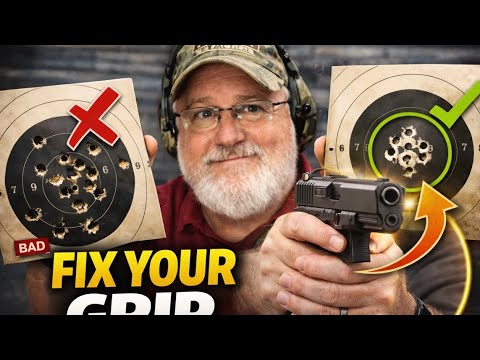
Instructor John Anderson details the optimal defensive handgun grip and stance, contrasting them with sport shooting methods. The technique emphasizes leveraging natural body reactions under stress for improved control and faster threat neutralization. Key elements include a high grip with stacked thumbs and a natural, slightly crouched stance with extended arms.

Quick Summary

Instructor John Anderson explains that a defensive handgun grip involves placing the strong hand high on the pistol with thumbs stacked forward, while the support hand fills the grip. This technique, unlike the sport-shooting 'teacup' grip, minimizes muzzle rise for faster, more accurate follow-up shots.

Chapters

  1. 00:07Introduction to Defensive Handgun Training
  2. 00:31Sport Shooting Grip (Teacup)
  3. 00:57Defensive Grip Technique
  4. 01:25Natural Defensive Stance
  5. 01:54Optimized Defensive Stance
  6. 02:21Live Fire Demonstration Setup
  7. 02:53Teacup Grip Shooting Demo
  8. 03:06Thumbs Forward Grip Shooting Demo
  9. 03:12Instructor Teacup Grip Live Fire
  10. 03:18Instructor Thumbs Forward Grip Live Fire
  11. 03:34Target Shot Group Comparison

Frequently Asked Questions

What is the key difference between a sport shooting grip and a defensive handgun grip?

A sport shooting grip (like the 'teacup') is less effective for defense, causing significant muzzle rise. A defensive grip (like 'thumbs forward') maximizes control, minimizes muzzle rise, and allows for faster follow-up shots by placing the strong hand high and stacking thumbs.

How should I adopt a defensive handgun stance?

A defensive stance leverages natural reactions. Bend your knees slightly for mobility, keep your head down and shoulders up, and extend your arms fully. This creates a stable platform that's ready for a quick draw and engagement.

Why is the 'thumbs forward' grip better for defensive shooting?

The 'thumbs forward' grip provides superior recoil management and muzzle stability. This allows for tighter shot groups, especially during rapid fire, which is crucial for quickly neutralizing a threat at close range.

How does stress affect shooting stance and grip?

Under stress, people naturally try to make themselves smaller, leading to a crouched posture. A defensive stance incorporates this by using a slight bend in the knees and keeping the head down, making the draw and shooting more intuitive.

More Training & Techniques Videos You Might Like

More from Colion Noir

View all →