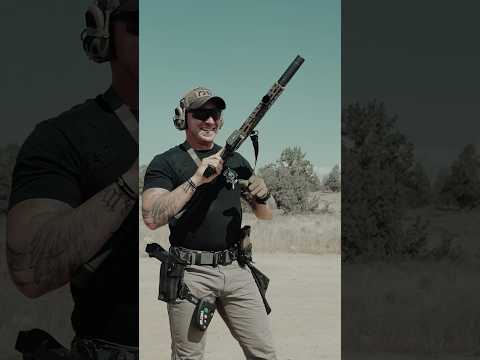
LAST COURSE OF 2022

Published on January 23, 2023
Duration: 10:11

This video demonstrates critical tactical skills for firearms handling, focusing on maintaining control and situational awareness. It covers techniques for getting into and out of various shooting positions, managing a two-point sling effectively, and executing malfunction clearances and reloads under pressure. The instruction emphasizes the importance of communication and adapting to different environments.

Quick Summary

A key tactical principle is to break your frame of reference and get behind cover immediately when a firearm malfunction occurs or visual contact is lost. This prevents continued engagement at your last known position. After clearing the malfunction, establish a new point of reference for re-engagement.

Chapters

  1. 01:03Sling Control and Positions
  2. 01:50Low Cover Engagement Drill
  3. 02:28Reloading in Cover
  4. 02:57Exiting Low Prone Position
  5. 03:38Left Side Prone Technique
  6. 04:01Muzzle Discipline and Safety
  7. 06:17Target Acquisition and Engagement
  8. 06:32Malfunction Clearance Drill
  9. 07:31New Point of Reference Reloads
  10. 08:07Group Training and Cover Transitions
  11. 08:49Verbal and Non-Verbal Cues
  12. 09:53Transitioning Cover Right to Left

Frequently Asked Questions

How should a two-point sling be used for optimal weapon control?

A two-point sling should enable full control of your firearm in various positions, including high and low carry. It should prevent the need to 'swim' out of the sling and allow for easy adjustment to fit your body and maintain weapon stability.

What is the correct procedure for clearing a firearm malfunction under pressure?

When a malfunction occurs, break your frame of reference, get behind cover, remove the magazine, lock the bolt to the rear, click the round out towards the muzzle, let it drop, insert a new magazine, and send the bolt home to re-engage.

Why is it important to establish a new point of reference after a malfunction clearance?

Establishing a new point of reference after clearing a malfunction is crucial because the threat will likely continue engaging your previous position. This repositioning helps maintain tactical advantage and survivability.

How can shooters communicate effectively when transitioning cover?

Effective communication involves both verbal cues (e.g., 'Coming in on your left') and non-verbal cues (e.g., movement around the cover). This ensures the other shooter is aware of your approach and can adjust their position accordingly.

Related News

All News →

More Training & Techniques Videos You Might Like

More from Achilles Heel Tactical

View all →