Long Range Pursuit | S3 E12 Muzzle Loader Elk Hunt in New Mexico

Published on November 20, 2017
Duration: 21:56

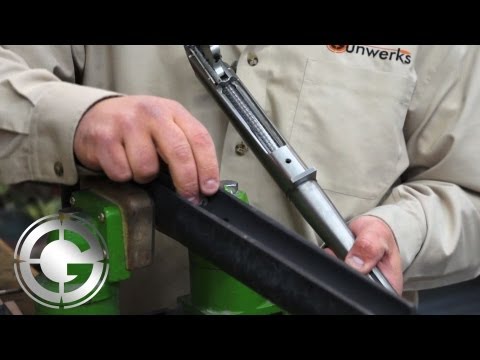
This video details a muzzleloader elk hunt in New Mexico and provides technical instruction on understanding and compensating for air density in long-range shooting. It also includes a DIY guide for installing a scope leveling device to prevent rifle cant. The content is presented by experienced individuals from Gunwerks, offering practical advice for hunters and shooters.

Quick Summary

Air density significantly affects bullet trajectory. Denser air at lower altitudes and cooler temperatures increases drag, causing bullets to hit lower. Less dense air at higher altitudes and warmer temperatures reduces drag, allowing bullets to hit higher. Advanced rangefinders can compensate for these changes.

Chapters

  1. 00:32New Mexico Muzzleloader Elk Hunt
  2. 05:12Air Density Explained
  3. 07:21Air Density Demonstration
  4. 09:07Ballistics Compensation
  5. 11:20Install Scope Leveling Device
  6. 16:23Continuing the Elk Hunt
  7. 19:08Successful Elk Harvest

Frequently Asked Questions

How does air density affect bullet trajectory?

Air density directly impacts bullet trajectory. Denser air, found at lower altitudes and cooler temperatures, creates more drag on a bullet, causing it to slow down and hit lower. Less dense air, at higher altitudes and warmer temperatures, results in less drag, allowing the bullet to travel further and hit higher.

What is the purpose of a scope leveling device on a rifle?

A scope leveling device, also known as an anti-cant indicator, helps ensure your rifle is held perfectly vertical. This prevents rifle cant, which can cause shots to miss their intended point of impact, especially at longer ranges, by ensuring your adjustments are purely vertical.

How can a rangefinder assist with long-range shooting?

Advanced rangefinders, like the Gunwerks BR2, can significantly aid long-range shooting by incorporating built-in weather stations and ballistics programs. They calculate corrections for elevation, temperature, and shot angle, providing precise aiming solutions and eliminating the need for manual calculations or multiple turret adjustments.

What are the challenges of using fixed elevation turrets for long-range shooting?

Fixed elevation turrets are calibrated for a specific altitude and temperature. When shooting at different elevations, the air density changes, affecting bullet trajectory. This means a turret set for one elevation will be inaccurate at another, often requiring the shooter to carry and swap multiple turrets or consult complex charts.

Related News

All News →

More Training & Techniques Videos You Might Like

More from Gunwerks

View all →