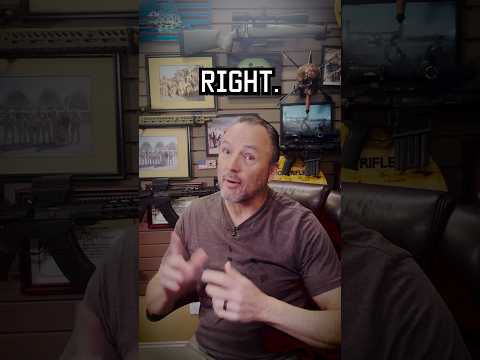
Low Light Shooting with Former SWAT Member Joe Farewell

Published on December 21, 2020
Duration: 7:06

This guide, presented by former SWAT member Joe Farewell, details essential techniques for effective self-defense in low-light conditions. It emphasizes the critical role of a tactical flashlight as a primary defensive tool, its integration with firearm deployment, and practical drills for practicing one-handed draws and target engagement. The instruction highlights the importance of dry fire practice and pre-range testing to refine mechanics and avoid common pitfalls like light reflection.

Quick Summary

Former SWAT member Joe Farewell emphasizes the tactical flashlight as a primary self-defense tool in low light. He details how to integrate it with firearm deployment, practice one-handed draws, and conduct drills like 'Flashlight Up, Draw Fire' to enhance survivability and accuracy in darkness.

Chapters

  1. 00:00Introduction to Low Light Self-Defense
  2. 00:11Importance of EDC Flashlight
  3. 00:46Flashlight as First Line of Defense
  4. 01:40Integrating Flashlight with Firearm
  5. 02:29One-Handed Draw Practice
  6. 03:45Pre-Range Home Testing
  7. 04:36Drill 1: Flashlight Up, Draw Fire
  8. 05:05Drill 2: Hands Up, Flashlight Up, Draw Fire
  9. 06:09Drill 3: Flashlight from Pocket, Draw Fire

Frequently Asked Questions

What is the primary role of a flashlight in low-light self-defense?

In low-light self-defense, a tactical flashlight serves as a crucial first line of defense. It can amplify your voice, temporarily blind an aggressor, and is a less legally consequential tool than immediate deadly force, providing a tactical advantage before drawing a firearm.

How should a flashlight be integrated with firearm deployment in low light?

Effective integration involves seamlessly transitioning from flashlight use to drawing your firearm. This includes clearing garments, maintaining a proper grip, and acquiring accurate shots on target while still utilizing the flashlight for illumination and threat assessment.

What are key practice methods for low-light shooting with a flashlight?

Key practice methods include dry fire drills for one-handed draws, testing flashlight interaction with sights at home to avoid reflection, and performing live-fire drills that simulate encountering threats in darkness, such as 'Flashlight Up, Draw Fire' or drawing from a pocket.

Why is one-handed draw practice important for low-light self-defense?

One-handed draw practice is essential because in low-light scenarios, you may need to use your support hand to operate a flashlight, deploy other gear, or defend yourself. Mastering a one-handed draw ensures you can effectively access and fire your firearm even when one hand is occupied.

Related News

All News →

More Training & Techniques Videos You Might Like

More from Tactical Hyve

View all →