Navy SEAL: Home Defense Mistakes Nobody Talks About

Published on June 1, 2026
Duration: 10:59

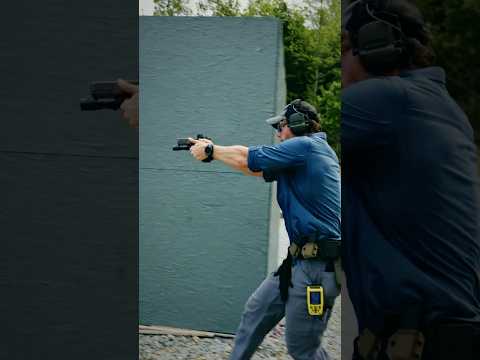
This video, featuring instruction from a firearms expert, details crucial techniques for maneuvering a pistol effectively in confined spaces during home defense scenarios. It emphasizes adapting weapon retention and ready positions beyond standard full extension, introducing concepts like High Ready and compressed/nipple line retention for safer and more effective engagement in tight environments. The instructor stresses the importance of practicing these techniques to avoid common mistakes and maintain readiness.

Quick Summary

For home defense in tight spaces, avoid standard full extension and utilize adapted pistol positions. The 'High Ready' is for scanning, while 'compressed' or 'nipple line' retention is crucial for door manipulation and close-quarters defense, keeping your firearm ready without exposing you.

Chapters

  1. 00:00Introduction: Home Defense & Tight Spaces
  2. 00:40Why Standard Shooting Fails in Tight Spaces
  3. 01:13High Ready Position Explained
  4. 01:34High Ready: Fighting & Teamwork Advantages
  5. 01:46Downsides of High Ready & Transitioning
  6. 02:18Compressed Ready: The 'Garbage Position'
  7. 02:30Why Compressed Ready is a Bad Fighting Stance
  8. 02:46Compressed Ready vs. High Ready for Speed
  9. 03:05Superior Position: Choking Back & Level Fire
  10. 03:26One-Handed Pistol Use & Doorways
  11. 03:41Nipple Line Retention for Door Breaching
  12. 04:11Maneuvering Around Corners: Shortening Up
  13. 04:46Practice: Shooting from Different Positions
  14. 05:01Revisiting Compressed Ready: Why It Fails
  15. 05:25Maneuvering Through Doorways: Elbow Bending
  16. 05:41Opening Doors with Nipple Line Retention
  17. 06:15Conclusion: Advantageous Weapon Positioning

Frequently Asked Questions

What is the 'High Ready' position for home defense?

The High Ready position involves holding your firearm with hands in front of your face and your eyes in line with the muzzle. This allows you to scan your surroundings effectively and quickly acquire sights for a shot, while also providing a defensive posture if your weapon is grabbed.

Why is the 'compressed ready' or 'garbage position' bad for home defense?

The compressed ready, often seen with hands low and muzzle pointed up, is a poor fighting stance. It misaligns your eyes with the sights, makes your hands vulnerable, and is not an effective position for shooting or defending yourself if an immediate threat emerges.

How should I handle my pistol when opening a door during a home defense scenario?

When opening a door, bring your pistol to a compressed position, often referred to as 'nipple line' retention. This keeps the firearm close to your body, allowing your support hand to manipulate the door and preventing the muzzle from crossing the threshold prematurely or being easily grabbed.

What are the key advantages of practicing different pistol ready positions?

Practicing various ready positions like High Ready and compressed retention builds crucial muscle memory. This ensures you can effectively maneuver your firearm in tight spaces, adapt to dynamic threats, and maintain a ready-to-fire stance without exposing yourself or compromising your defense.

Related News

All News →

More Training & Techniques Videos You Might Like

More from USCCA

View all →